The History of Virtual Worlds: From MUDs to the Metaverse — And Why Alife Virtual Is the Next Place to Live the Dream
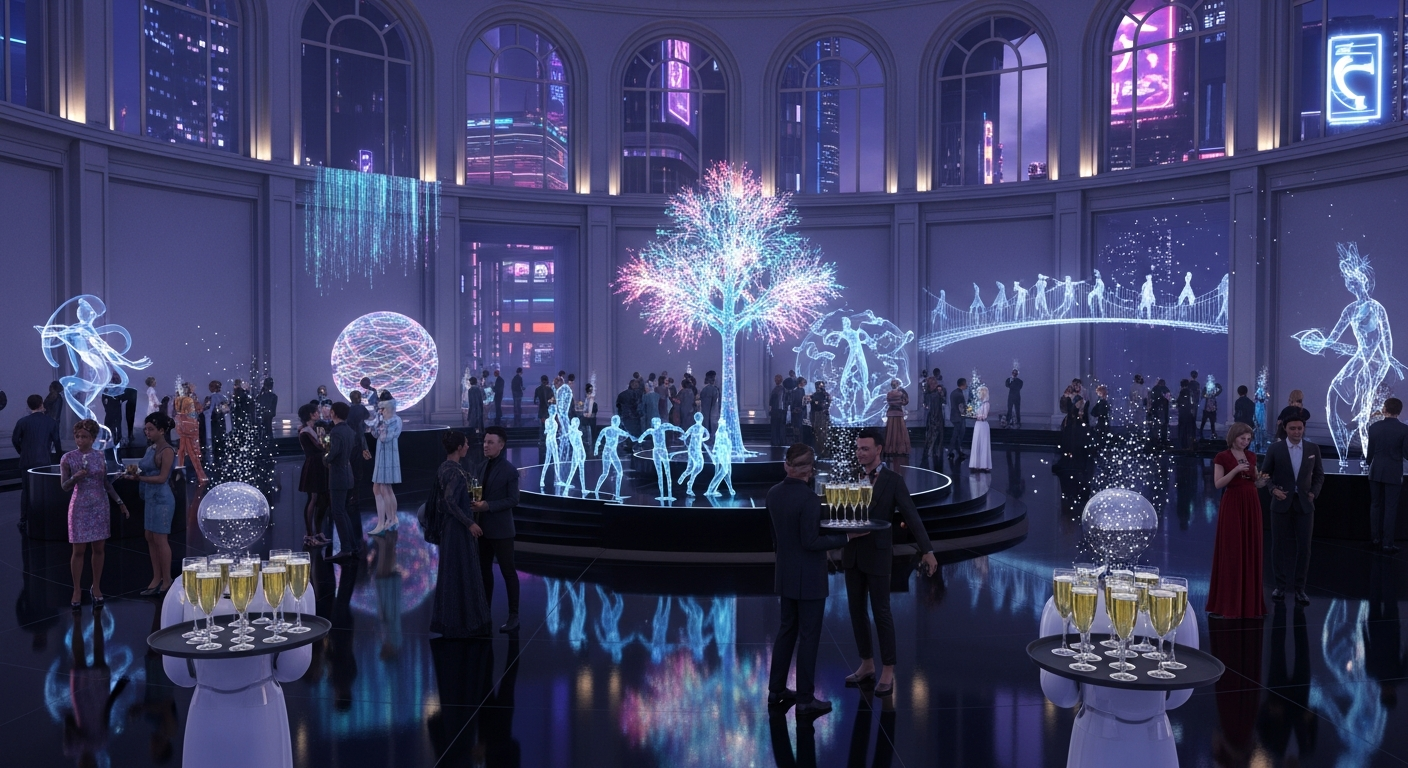
The History of Virtual Worlds: From MUDs to the Metaverse — experience it now in Alife Virtual
Long before glossy avatars danced under neon skies, before creators sold digital fashion, and before millions of people met friends in persistent online spaces, virtual worlds began as words on a screen. A room description. A command line. A door to the north. Yet inside those simple beginnings lived the same human desire that drives today’s most exciting online worlds: the urge to explore, build, belong, and become someone new.
If you have ever imagined stepping into a world that feels alive with possibility, the history of virtual worlds is really your story too. It is the story of people turning imagination into place. From text-based MUDs to social 3D worlds like Second Life, IMVU, VRChat, and Roblox, the journey has been extraordinary. And now, in the era of the open metaverse, Alife Virtual gives that dream a practical, welcoming, and surprisingly affordable home.
What makes this moment different is that the barriers are falling away. You do not need a VR headset. You do not need a massive budget. You do not need years of technical skill before you can claim land, create an identity, or launch a destination others can visit. With Alife Virtual, you can access a free 3D virtual world on any desktop, begin with a FREE full-body mesh avatar with custom outfits, and even receive a FREE private island for one month with 65,536 sqm of space, 10,000 prims for building, and no monthly fees during that first month.
To understand why that matters so much, let’s take a vivid timeline journey through the history of virtual worlds—and see how Alife Virtual brings the best parts of that history into a new, creator-friendly future.
From Text Adventures to Living Worlds: A Timeline of Virtual Evolution
The MUD Era: When Worlds Were Made of Words
In the late 1970s and 1980s, Multi-User Dungeons, or MUDs, pioneered shared virtual space. These worlds had no 3D graphics, no avatar outfits, no animated dance floors. But they had something magical: persistence and presence. You could log in, encounter real people, explore rooms, roleplay, and shape a shared story in real time.
A forest was a paragraph. A castle was a few descriptive lines. A battle was text scrolling by. Yet players felt deeply immersed because MUDs invited imagination to fill in every gap. They introduced concepts still central to virtual worlds today: identity, community, housing, guilds, custom objects, and user-created experiences.
In a way, MUDs proved the essential truth of the metaverse long before the word became trendy: people do not just want content to consume. They want worlds to inhabit.
The Early Graphical Leap: Habitat, Active Worlds, and Online Social Space
As technology advanced, virtual worlds gained visual form. Early graphical communities began turning abstract space into visible environments. Suddenly, people were not just typing in a tavern—they were seeing one. Avatars took shape. Rooms became places. Interaction became more intuitive, more theatrical, and more social.
These early experiments were rough by modern standards, but they established the idea that the internet could be more than pages and chat windows. It could be spatial. It could be inhabited. It could feel like a second existence.
Second Life: The Creator Economy Takes Center Stage
When Second Life emerged in the early 2000s, it transformed the virtual world landscape. This was not simply a game with fixed goals. It was a user-driven universe where residents could buy land, build homes, design clothing, run businesses, host events, and form communities around almost any interest imaginable.
Second Life made virtual creation mainstream. Entire cityscapes rose from empty regions. DJs performed in clubs pulsing with light and sound. Fashion designers launched digital brands. Educators taught classes. Roleplay communities built complete immersive societies. The world felt limitless because so much of it was made by its users.
For many people, Second Life represented the first true taste of the metaverse. But it also came with costs. A region of the same size many serious creators want—65,536 sqm—can cost around $300 per month there. That creates a major barrier for dreamers who want to experiment, build, and grow without financial pressure.
IMVU: Social Identity and Instant Style
IMVU expanded the appeal of virtual social life by focusing heavily on avatars, chat, and personal expression. It made digital identity feel fashionable and immediate. Instead of beginning with terrain editing or large-scale world building, many users started with the fun of customizing a look, decorating a room, and meeting people in accessible social scenes.
IMVU showed how powerful virtual self-expression could be. Your avatar was not just a profile picture. It was a mood, a statement, a fantasy, a version of yourself made visible. That emphasis on style and instant social connection helped broaden the audience for online worlds.
Roblox: User-Generated Worlds for the Masses
Roblox pushed user-generated experiences to a huge mainstream audience. It turned creation into a platform-wide culture where developers, hobbyists, and young entrepreneurs could build playable worlds and social experiences at scale. Virtual worlds became modular, remixable, and accessible to millions.
Its influence on the metaverse conversation is undeniable. Roblox proved that creation is not a niche feature. It is the engine of engagement. People stay where they can make something, share something, and invite others into it.
VRChat: Presence, Personality, and Live Social Energy
VRChat brought a different kind of magic: intense social presence. Whether using desktop mode or VR, users entered spaces where voice, body language, humor, improvisation, and custom avatars created unforgettable social moments. Comedy shows, dance parties, bizarre art worlds, spontaneous conversations at 2 a.m.—VRChat highlighted the emotional power of feeling truly present with others.
It also popularized the idea that avatar embodiment matters. How you move, look, and perform inside a virtual world changes how the world feels around you.
The Open Metaverse: Interoperability, Ownership, Community, Creation
Today, the idea of the metaverse is no longer limited to one app, one company, or one style of world. The modern open metaverse is about persistent digital spaces where people can create identity, community, places, businesses, and experiences that feel meaningful over time.
What users increasingly want is clear: freedom to build, affordable land, a strong social scene, familiar tools, and an easy way to get started without expensive hardware. That is exactly where Alife Virtual becomes exciting.
What This Virtual Experience Feels Like
Imagine walking through a timeline made real. You begin in a medieval text-inspired tavern recreated in 3D, candles flickering against wooden beams while chat bubbles and voice fill the room with spontaneous stories. Down the path is a cyber city inspired by the experimental internet age: glowing signs, ambient electronic music, moving billboards, creative galleries, and rooftop lounges where strangers become collaborators.
Then the space opens into a modern social district. Avatars in custom fashion pass by in a swirl of style and personality. A live class is running in one building where newcomers learn scripting. Nearby, a builder is shaping a fantasy castle from primitives. Across the water, someone has recreated a 2000s-style club scene, while another island hosts a sleek metaverse expo about the future of online identity.
This is what a mature virtual world offers: not just scenery, but layered human presence. The sights are dynamic—glass towers, cozy cabins, immersive roleplay regions, beaches, art installations, fashion runways, schools, and marketplaces. The sounds are equally alive—music streams, local chat, event announcements, and the ambient noise of worlds designed to feel inhabited.
Most of all, the social aspect transforms everything. A beautiful space becomes memorable when someone welcomes you there. A dance floor becomes electric when avatars fill it with motion and conversation. A blank island becomes a destination when a creator shapes it into something no one has seen before.
That deep blend of creativity, identity, and community is the true inheritance of virtual world history—and it is exactly the kind of experience you can build and live in Alife Virtual.
How Alife Virtual Makes This Possible
Alife Virtual takes the best lessons from decades of virtual world evolution and makes them accessible right now. It is a free 3D virtual world designed for people who want to explore, socialize, build, and launch their own spaces without unnecessary friction.
- FREE private island for one month: Get a full 65,536 sqm region to experiment, create, host, or roleplay—with no monthly fees during that first month.
- 10,000 prims for building: Enough creative capacity to construct environments, venues, historical exhibits, homes, shops, and immersive scenarios.
- FREE full-body mesh avatar with custom outfits: Start looking polished and expressive from day one.
- Uses Firestorm Viewer: If you know Second Life, the workflow feels familiar because Alife uses the same trusted viewer environment.
- Full LSL scripting support: Build interactive doors, games, vendors, animations, educational exhibits, and complex systems.
- Free daily classes: Learn building, scripting, fashion, and business from a live community.
- Pre-made furnished sims from $20/mo: Want a ready-to-use destination immediately? Launch one fast without building from scratch.
- 1,148,000+ members: A large and growing population means opportunity for community, collaboration, and events.
- Works on any desktop: No VR headset required, making it easy to access for a much wider audience.
This combination is powerful because it lowers the cost of entry while preserving serious creative freedom. You can build a historical virtual world museum tracing MUDs to the metaverse. You can host a lecture series on the evolution of online identity. You can launch a cyberpunk social hub, a retro internet-themed gallery, or a roleplay region inspired by every era of virtual space. The platform gives you room, tools, and guidance.
Why Alife Virtual Beats Second Life, IMVU, and VRChat for This Experience
Each major virtual platform has contributed something important to the history of online worlds. But if your goal is to actually create and live a rich, customizable metaverse-style experience, Alife Virtual offers a uniquely attractive balance of cost, familiarity, and freedom.
| Platform | Strength | Limitation | Why Alife Virtual Stands Out |
|---|---|---|---|
| Second Life | Deep building culture, mature economy, flexible creation tools | Same region size can cost about $300/month | Alife offers a FREE private island for one month at 65,536 sqm, uses Firestorm Viewer, and supports full LSL scripting |
| IMVU | Avatar style and easy social identity | Less emphasis on expansive land-based world building | Alife combines strong avatar expression with actual region ownership and creative building tools |
| VRChat | Strong live social presence and expressive communities | Often associated with VR-first culture and different creation workflow | Alife works on any desktop, no VR headset needed, while still supporting immersive social world creation |
| Roblox | Massive user-generated ecosystem | Different style, audience expectations, and toolset | Alife offers a more open-ended social world feel with avatar life, land, and persistent adult-friendly community creativity |
The biggest difference for many creators is simple: space and affordability. In Second Life, serious land costs can force creators to think small or delay their vision. In Alife Virtual, you can prototype boldly. Test ideas. Invite friends. Host events. Build a virtual history exhibit or metaverse campus. Learn as you go. And because free daily classes are available, you do not have to figure everything out alone.
How to Create Your Own “History of Virtual Worlds” Experience in Alife Virtual
If reading this has sparked your imagination, here is how to turn the concept into a real destination.
- Visit the platform: Go to https://www.alifevirtual.com and create your account.
- Choose your avatar: Start with the FREE full-body mesh avatar and personalize it with custom outfits so your identity matches your vision.
- Download and log in through Firestorm Viewer: Because Alife uses Firestorm Viewer, the interface is robust, familiar, and powerful for building and exploring.
- Claim your private island: Take advantage of the FREE private island for one month. With 65,536 sqm, you have room to create a full timeline world.
- Plan your zones: Divide your region into eras. For example:
- MUD-inspired text tavern and dungeon
- Early internet social district
- Second Life-style creator marketplace
- IMVU-inspired avatar fashion lounge
- VRChat-style event space
- Open metaverse innovation hub
- Build with your 10,000 prims: Use prims to shape architecture, exhibit displays, stages, portals, learning centers, or interactive museum pieces.
- Add scripts: With full LSL scripting support, you can create clickable information boards, teleport hubs, rotating displays, quiz games, and animated exhibits.
- Take free classes: Join the free daily classes on building, scripting, fashion, and business to sharpen your skills quickly.
- Host a launch event: Invite visitors to a guided tour through the history of virtual worlds, ending with a discussion about the future of the metaverse.
- Scale fast if needed: If you prefer a shortcut, choose one of the pre-made furnished sims from $20/mo and customize it into your theme right away.
This is the beauty of Alife Virtual: you can approach it as a beginner, a world-builder, an educator, a host, a designer, or a digital entrepreneur. The platform supports all of those paths.
Community Spotlight: How Players Bring Virtual History to Life
One of the most inspiring things about long-running virtual world culture is how players continuously transform personal passion into shared experience. In communities like Alife Virtual, that spirit is alive and thriving.
Some players build richly themed social venues that feel like time capsules from earlier internet eras—glowing clubs, retro lounges, fantasy castles, and futuristic event spaces that reflect the full visual vocabulary of virtual worlds past and present. Others use their land for education, teaching new residents how to build, script, style avatars, and even launch businesses inside the virtual economy.
Fashion creators channel the IMVU and Second Life tradition of identity through appearance, crafting distinctive looks that turn every gathering into a runway of personality. Builders take inspiration from classic sandbox culture, using prims and scripts to assemble homes, galleries, roleplay regions, and immersive storytelling environments. Event hosts create the social spark that has always defined great virtual worlds: concerts, classes, meetups, contests, and collaborative showcases.
What makes a virtual world memorable is not just the land itself, but the people who give it purpose. In Alife Virtual, creators are not just decorating space—they are extending the history of virtual worlds with every sim, event, outfit, class, and conversation.
With 1,148,000+ members, there is real momentum behind that creativity. Whether you want to build a historical exhibit, a metaverse discussion forum, a social lounge, or a startup brand presence, you are entering a world where others are already turning ideas into destinations.
FAQ: The History of Virtual Worlds and Getting Started in Alife Virtual
1. What were MUDs, and why are they important to virtual world history?
MUDs were text-based multi-user worlds where players explored, socialized, and roleplayed using written commands and descriptions. They are important because they introduced the core ideas behind today’s virtual worlds: persistence, identity, shared space, and user-driven interaction.
2. Is Alife Virtual only for experienced builders?
No. Beginners can start exploring immediately, use a FREE full-body mesh avatar, and learn through free daily classes in building, scripting, fashion, and business. Experienced creators also have the flexibility of 10,000 prims and full LSL scripting support.
3. Do I need a VR headset to enjoy the metaverse experience in Alife Virtual?
No. Alife Virtual works on any desktop, so you can enjoy a rich 3D world experience without buying VR hardware.
4. How does Alife Virtual compare to Second Life on land cost?
For the same region size of 65,536 sqm, Second Life charges around $300/month, while Alife Virtual offers a FREE private island for one month with no monthly fees during that period. That makes experimentation and launching projects far more accessible.
5. Can I create a historical exhibit or metaverse-themed destination in Alife Virtual?
Absolutely. With land, prims, scripting, a familiar viewer, and a large member base, Alife Virtual is ideal for themed museums, educational builds, roleplay regions, social hubs, and interactive timeline experiences inspired by the history of virtual worlds.
Your Place in Virtual History Starts Now
The path from MUDs to the metaverse is not just a story about technology. It is a story about people wanting more from the internet—more presence, more creativity, more connection, more freedom to shape the spaces where they spend their time. Every era added something valuable: imagination from MUDs, visual immersion from early graphical worlds, creator economies from Second Life, avatar expression from IMVU, social energy from VRChat, and mass-scale user creation from Roblox.
Alife Virtual brings those threads together in a way that feels practical, exciting, and genuinely welcoming. You can explore on any desktop. You can look amazing from the start with a FREE full-body mesh avatar. You can build with 10,000 prims. You can script interactive experiences with full LSL support. You can learn through free daily classes. You can launch fast with pre-made furnished sims from $20/mo. And most importantly, you can claim serious creative space through a FREE 65,536 sqm private island for one month—something that would cost vastly more elsewhere.
If you have ever wanted to do more than just read about the metaverse—if you want to walk through it, shape it, host it, and make it yours—this is your invitation.
Start your journey today at https://www.alifevirtual.com and discover how the next chapter in the history of virtual worlds could be the one you build yourself.
🎁 Ready to Live This Experience?
Claim your FREE island in Alife Virtual and start today!
Claim Your Free Island Now →No credit card required · Takes 2 minutes · for one month free