How Virtual World Economies Survive Without Real Money
How Virtual World Economies Survive Without Real Money — experience it now in Alife Virtual
Imagine stepping into a living, breathing 3D world where shops are buzzing, clubs are packed, creators are trading custom designs, landowners are building entire destinations, and yet the whole system does not depend on everyone constantly reaching for a credit card. That is the magic of a strong virtual world economy: it can thrive on creativity, community, exchange, reputation, and opportunity just as much as direct real-money spending.
In Alife Virtual, this idea becomes more than theory. It becomes a daily experience. You can log in on your desktop, claim a stunning virtual space, shape your avatar, learn to build, meet entrepreneurs, and take part in a player-driven economy that rewards imagination instead of gatekeeping it behind expensive subscriptions. For anyone dreaming of truly living inside a virtual world without being drained by monthly platform costs, Alife Virtual opens the door wide.
This is where virtual world economies get exciting: not when they mimic the real world perfectly, but when they create new ways for people to earn, trade, collaborate, and flourish without needing constant real-money input. If you have ever wondered how a free 3D virtual world can still feel rich, active, and valuable, this is the experience you have been looking for.
The Virtual Experience: A World That Feels Wealthy Because Players Make It Wealthy
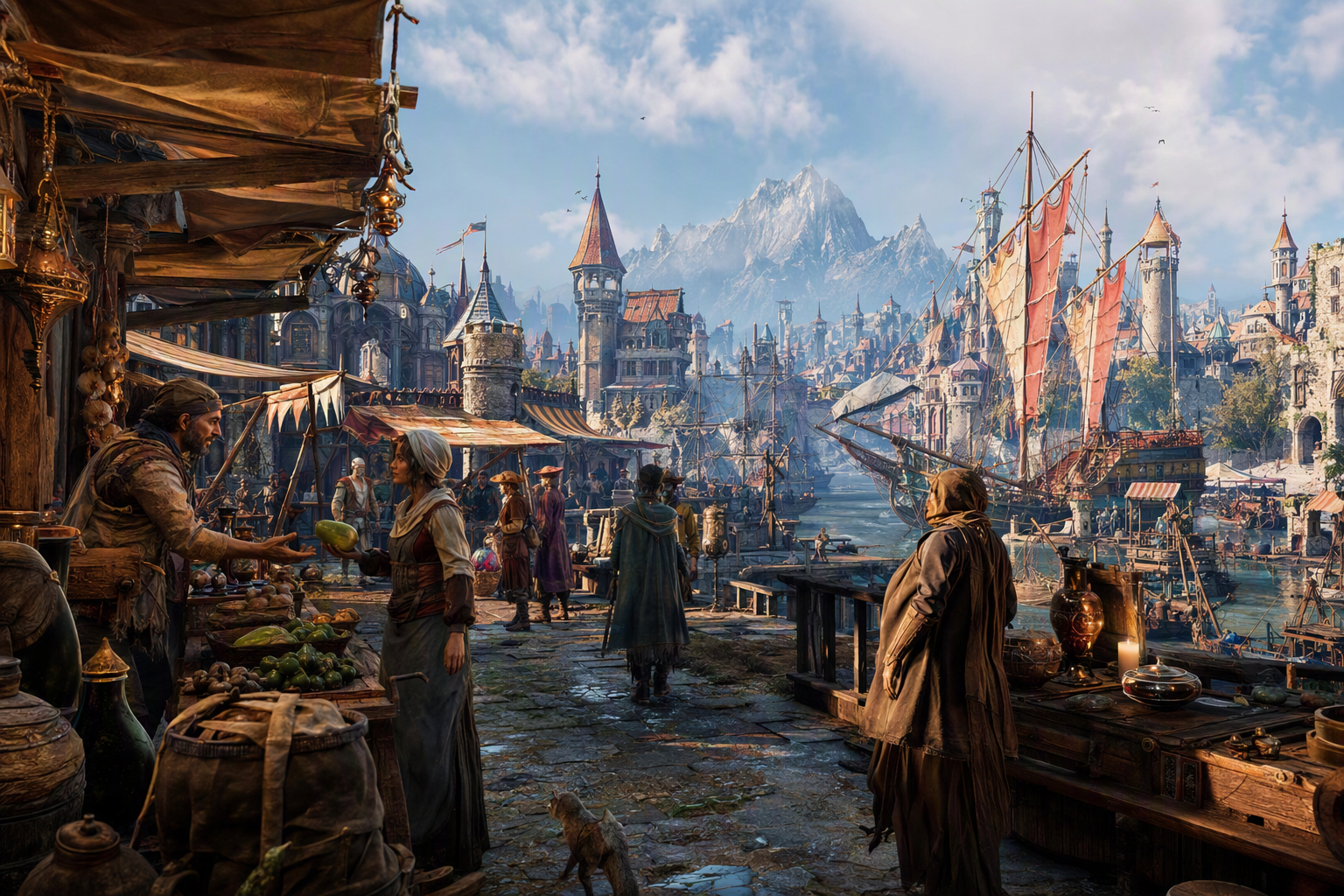
The first thing you notice in a healthy virtual economy is that value is everywhere, even when cash is not. You arrive in a plaza where avatars glide past in custom outfits, each one a walking portfolio of style, status, and taste. Nearby, a builder is showing off a new sky lounge. Across the region, a DJ is drawing crowds into a club where hosts, performers, and venue owners all benefit from traffic, visibility, and social connections. In another corner, a merchant is trading décor items for scripting help, while a fashion creator offers free samples to build loyalty and future business.
That is what a non-cash-dependent virtual economy feels like. It is not empty. It is alive.
In Alife Virtual, the sights are immersive and varied. You can wander through beaches lined with custom villas, roleplay districts packed with market stalls, art galleries built from scratch, and social hubs where networking happens as naturally as conversation. One resident may be collecting custom furniture for a lounge. Another may be offering event management in exchange for advertising space. Someone else may be learning scripting in order to create rentable experiences, interactive games, or branded products.
The sounds matter too. Music streams from clubs and private islands. Text chat and voice conversations turn strangers into collaborators. Group notices spread news of classes, giveaways, store openings, and live events. You hear the pulse of a world where value moves through relationships as much as transactions.
Socially, this is where virtual economies become powerful. A player-driven economy without constant real-money input survives because people do not only buy things. They contribute. They barter skills. They exchange services. They build reputations. They mentor newcomers. They create experiences that draw traffic, and traffic becomes opportunity.
In practical terms, one person might build custom interiors. Another writes scripts in LSL. Another styles avatars. Another hosts social events. Another manages rentals. Another teaches newcomers how to optimize builds or launch a store. Even if real money occasionally enters the ecosystem, day-to-day momentum comes from player activity, not endless platform fees.
How Virtual World Economies Work Without Constant Real-Money Input
At the heart of every sustainable virtual world economy is a simple truth: value in a digital world is often created faster by players than it is purchased from outside. When the platform gives people enough freedom, land, tools, and social reach, they generate their own economy from the inside out.
1. In-Game Currencies Create Local Circulation
Virtual currencies work because they give players a shared medium of exchange inside the world. Once a currency is accepted for goods, services, land rentals, event fees, fashion, or entertainment, it begins to circulate independently of constant outside spending. A resident sells an outfit, uses those earnings to buy furniture, the furniture creator pays a scripter, and the scripter rents event space. The same value keeps moving.
That circulation is what keeps a virtual economy alive. The healthiest worlds reduce friction so players can keep creating and exchanging rather than repeatedly hitting paywalls.
2. Barter Systems Fill the Gaps
Not every transaction needs currency. In creator-driven spaces, barter is incredibly powerful. A builder may trade a storefront design for a custom logo. A club owner may offer ad placement in exchange for live performances. A landscaper may decorate a sim for free in return for long-term visibility and referrals.
Barter matters because it unlocks economic activity even when players are preserving currency. It allows talent, time, and creativity to become tradeable assets. In a vibrant world like Alife Virtual, that means newcomers can start participating immediately, even before they build up their inventory or business presence.
3. Player-Driven Economies Reward Creation
A player-driven economy survives because the platform is not the only producer of value. The residents are. They create houses, vehicles, clubs, games, fashion, animations, classes, roleplay systems, décor packs, and social experiences. Every new creation gives someone else a reason to visit, stay, trade, or collaborate.
This is why creator tools matter more than expensive monetization funnels. If users can make things easily, they keep the economy moving. If they can script interactivity, they expand what the economy can include. If they can access land affordably, they can experiment without fear.
4. Community Education Strengthens the Market
Economies get stronger when more people know how to participate. Free classes in building, scripting, fashion, and business are not just nice extras. They are economic infrastructure. They transform passive users into active contributors.
When someone learns to build, they may become a merchant. When they learn scripting, they can create tools and games. When they learn fashion, they can launch a brand. When they learn business basics, they can market, collaborate, and scale. Education increases supply, competition, and innovation, all without requiring huge real-money spending.
How Alife Virtual Makes This Possible
Alife Virtual is designed in a way that gives players room to build and circulate value instead of being smothered by cost. That difference is massive.
- 7-day free private island trial at a full region size of 65,536 sqm, with no lock-in during that period.
- 10,000 prims for building, giving creators enough capacity to launch stores, venues, homes, roleplay spaces, and interactive destinations.
- FREE full-body mesh avatar with custom outfits, so new players can immediately look polished and expressive.
- Uses Firestorm Viewer, the same viewer familiar to many Second Life users, reducing the learning curve.
- Full LSL scripting support, enabling advanced objects, interactions, vendors, games, vehicles, HUDs, and experiences.
- Free daily classes in building, scripting, fashion, and business, which actively grow the creator economy.
- Pre-made furnished sims from $20/mo, ideal for people who want to launch quickly with a ready-to-use environment.
- 1,148,000+ members, creating audience, traffic, networking, and marketplace potential.
- Works on any desktop, with no VR headset required, making access easy and inclusive.
These features matter economically because they lower the cost of participation. If more people can enter, create, and stay active, the world becomes richer. Instead of a system where only heavy spenders can own space or launch projects, Alife Virtual makes room for hobbyists, educators, small creators, social organizers, roleplayers, and entrepreneurs alike.
That creates a healthier environment for alternative economies. You can build an event venue and earn through traffic. You can trade design services. You can host classes. You can barter décor for branding help. You can test ideas without the pressure of massive recurring land fees. That freedom is what lets player-driven economies breathe.
Why Alife Virtual Is Better for This Experience Than Second Life, IMVU, or VRChat
| Platform | Best For | Economic Flexibility | Land/Creation Advantage |
|---|---|---|---|
| Alife Virtual | Creator-led worlds, social spaces, businesses, roleplay, trade | Excellent for in-world exchange, barter, and player-driven economies | 7-day free private island trial, 65,536 sqm, 10,000 prims, full LSL scripting |
| Second Life | Established creator economy | Strong but often cost-heavy to enter and maintain | Same region size can cost $300/month, making experimentation expensive |
| IMVU | Avatar chat and social interaction | More limited in world-building depth and land-style economic play | Less suited to full-region, player-built economies |
| VRChat | Live social immersion and user worlds | Great social energy, but less structured for traditional in-world economic circulation | Often leans more on external creation workflows and social presence than in-world commerce systems |
The comparison becomes especially clear when you focus on affordability and economic experimentation. In Second Life, a region of the same size can cost $199/mo. In Alife Virtual, you can get a 7-day free private island trial and begin building immediately. That alone changes who gets to participate.
If your dream is to create an economy-rich destination without committing to steep costs, Alife Virtual gives you a much more forgiving launchpad. It combines the familiar Firestorm Viewer workflow, deep building options, full scripting support, and a huge member base, but without the same financial barrier.
Compared with IMVU, Alife offers more room for actual land-based economies. Compared with VRChat, it is better suited to classic virtual world entrepreneurship: stores, rentals, scripted products, venues, trade relationships, and persistent spaces that feel like owned digital territory rather than temporary hangouts.
For someone who wants to live the economy, not just visit a world, Alife Virtual simply gives you more practical power.
Step by Step: How to Access or Build This Scenario in Alife Virtual
If you want to experience a thriving virtual economy without relying on constant real-money input, here is how to get started.
-
Visit the official website.
Go to https://www.alifevirtual.com and create your account. This is your first step into a world built for creators, traders, and social explorers.
-
Download and connect through Firestorm Viewer.
Alife Virtual uses Firestorm Viewer, the same viewer many users already know from Second Life. That means a familiar interface for movement, inventory, building, communication, and land management.
-
Claim your avatar identity.
Start with a FREE full-body mesh avatar with custom outfits. Looking good is not a trivial detail in a virtual economy. Your avatar is your brand, your storefront, and your first social signal.
-
Secure your space.
Take advantage of the 7-day free private island trial. With 65,536 sqm and 10,000 prims, you have enough room to build a market, club, classroom, roleplay district, gallery, or mixed-use business hub.
-
Choose your economic model.
Decide what kind of economy-driven experience you want to create:
- A barter bazaar where creators swap skills and products
- A shopping district with rentable stalls
- A club or event venue monetized through traffic and partnerships
- A fashion brand with custom releases and promotions
- A roleplay town with in-character commerce
- An educational campus offering classes and business networking
-
Learn the tools.
Attend the free daily classes in building, scripting, fashion, and business. This is one of the fastest ways to move from curious newcomer to active economic participant.
-
Use LSL scripting to create interaction.
With full LSL scripting support, you can add vendors, rental systems, game mechanics, doors, teleporters, tip jars, interactive displays, and branded experiences that make your space useful and memorable.
-
Build community, not just structures.
Invite creators, hosts, DJs, teachers, and collaborators. A virtual economy survives through people. The more reasons visitors have to return, the more value your region generates.
-
Start with a ready-made sim if you want speed.
If you prefer launching quickly, choose one of the pre-made furnished sims from $20/mo. That lets you skip heavy setup and go straight into events, trade, and promotion.
-
Promote and iterate.
Connect with the wider community of 1,148,000+ members. Host openings, join groups, run showcases, offer freebies, and refine your concept based on what people respond to.
Community Spotlight: What Players Can Build and Do
The most inspiring thing about a world like Alife Virtual is how quickly players turn opportunity into activity. Give people land, prims, scripting, and a supportive community, and they do not just decorate space. They create economies.
Some residents build social venues that become commercial anchors. A club can support DJs, hosts, fashion partners, décor designers, and advertisers all at once. Others create boutique shopping spaces where newer creators can showcase work without needing a giant budget. Some players use their islands as business incubators, testing layout ideas, rental models, or event formats before scaling up.
Then there are educators and mentors. Free classes in business, fashion, scripting, and building often become launchpads for creators who later contribute products and services back into the world. Someone who arrives as a student can become a merchant, venue owner, or scripter in a surprisingly short time.
In a player-driven virtual world, the strongest currency is not just money. It is creativity that other people can use.
This is why Alife Virtual feels so promising for anyone fascinated by self-sustaining digital economies. The platform gives you enough space and flexibility to invent your own role. You can be a builder, landlord, designer, event organizer, educator, trader, or all of the above.
And because it works on any desktop with no VR headset required, the barrier to joining that ecosystem is refreshingly low. More access means more residents. More residents mean more demand, more collaboration, and more circulation of value.
FAQ: Virtual World Economies Without Real Money
1. Can a virtual world economy really survive if players are not constantly spending real money?
Yes. A virtual economy survives when value keeps circulating inside the world through in-game currency, barter, services, and player-created goods. Real money may help at the edges, but daily activity can be sustained by residents exchanging what they build, know, or host.
2. What makes Alife Virtual especially good for this kind of economy?
Alife Virtual lowers barriers to participation. With a 7-day free private island trial, 10,000 prims, a FREE mesh avatar, full LSL scripting, and free daily classes, players can start creating and trading without being crushed by upfront costs.
3. Do I need VR equipment to join and participate?
No. Alife Virtual works on any desktop and requires no VR headset. That makes it easier for more people to enter the world, which is important for building an active economy.
4. Is Alife Virtual difficult to learn if I have used Second Life before?
Not at all. Alife Virtual uses Firestorm Viewer, the same viewer many Second Life users already know. That familiarity makes movement, communication, inventory use, and building much easier to pick up.
5. What if I want a business-ready environment without building everything from scratch?
You can start with pre-made furnished sims from $20/mo. They are ready to use immediately, making them ideal for venues, roleplay spaces, businesses, and community hubs that want to launch fast.
Conclusion: Build Wealth in a World Made of Creativity
The most exciting virtual economies are not the ones that demand endless real-money input. They are the ones that empower residents to create, exchange, teach, host, trade, and grow together. They feel rich because people make them rich. They survive because talent keeps circulating. They evolve because communities keep building new reasons to stay.
That is exactly why Alife Virtual stands out. It gives you the land, the tools, the avatar, the scripting freedom, the familiar viewer, the classes, and the audience you need to step into a thriving player-driven world. And it does so in a way that makes experimentation possible instead of intimidating.
If you have been dreaming about launching a market, opening a venue, building a barter-based community, or simply living in a 3D world where creativity has real social and economic weight, this is your moment.
Visit https://www.alifevirtual.com and start exploring Alife Virtual today.
Claim your space. Shape your identity. Build your corner of the economy. And discover what happens when a virtual world thrives not because everyone pays more, but because everyone can create more.
🎁 Ready to Live This Experience?
Claim your 7-day free island trial in Alife Virtual and start today!
Claim Your 7-Day Free Island Trial Now →No credit card required · Takes 2 minutes · for one month free