Second Life Economy vs Open Virtual World Economy: Who Wins in 2026?
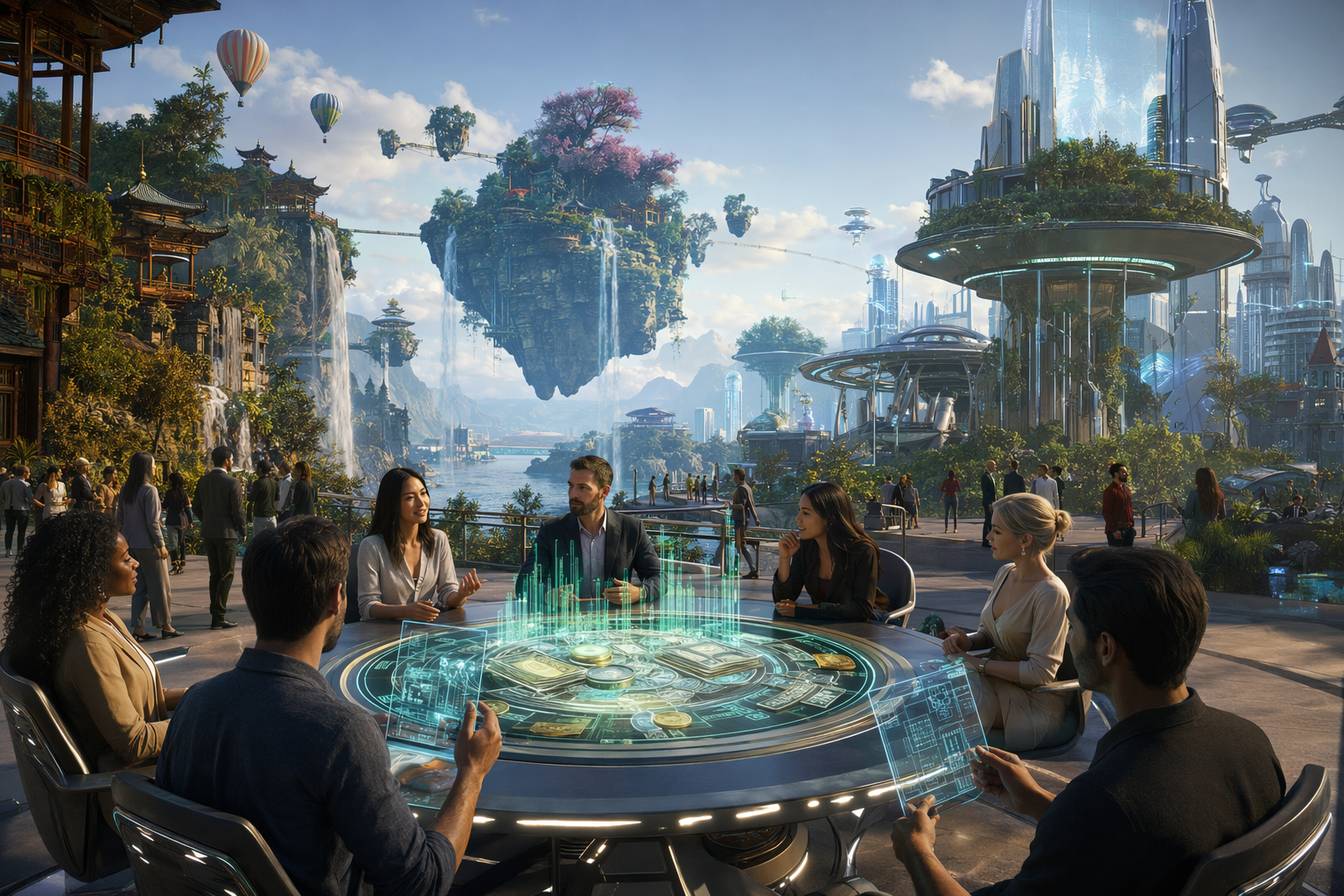
Second Life Economy vs Open Virtual World Economy: Who Wins? — experience it now in Alife Virtual
If you have ever dreamed of earning, building, trading, and thriving inside a living digital world, 2026 is your moment. Virtual economies are no longer side curiosities for hobbyists. They are vibrant ecosystems where creators launch brands, designers sell fashion, event hosts build loyal followings, and everyday residents turn imagination into opportunity. But one huge question keeps surfacing: when you compare the classic Linden Dollar economy in Second Life with the newer, more open virtual world economy model, who really wins?
The answer matters even more if you want more than just a login screen and a marketplace. You want a place where you can actually live the experience: explore a gorgeous island, run a shop, host a concert, build a gallery, learn scripting, make friends, and perhaps even create a real income stream from your ideas. That is exactly where Alife Virtual enters the conversation in a powerful way.
While Second Life remains a famous name, many creators in 2026 are rethinking fees, access, creator margins, and the true cost of building a virtual business. Alife Virtual offers a dramatically different path: a free island + 1,000 C$ for shopping (until 31 Dec 2026) (65,536 sqm), no lock-in during that period, a FREE full-body mesh avatar with custom outfits, 10,000 prims for building, full LSL scripting support, and compatibility with the Firestorm Viewer you may already know from Second Life. For dreamers, builders, educators, entrepreneurs, and social explorers, that changes everything.
So let’s dive into the sights, sounds, systems, and business realities of the virtual economy in 2026—and see why open worlds, especially Alife Virtual, are capturing so much attention.
The Virtual Economy Experience in 2026: More Than Currency, It’s a Lifestyle
Imagine arriving on your own island at sunset. The sky glows in deep gold and violet. Water moves with a soft shimmer around the shoreline. Palm trees sway above a sleek waterfront club you built yourself. Nearby, a boutique displays your original outfits on full-body mesh mannequins. Across the sim, a rooftop lounge is filling with avatars chatting in local text and voice, trading styling tips, business advice, and invitations to the next live music event.
This is what a healthy virtual economy feels like when it is working at its best. It is not just about buying and selling. It is about atmosphere, identity, and momentum.
You hear the soundtrack of a busy world in motion: teleport requests, message notifications, footsteps across a wood deck, laughter in voice chat, DJ streams rolling into the night, and the buzz of social discovery as someone stumbles across your store and asks, “Did you make this yourself?”
In a strong open virtual world economy, every object around you carries possibility:
- A custom home can become a rental business.
- A fashion collection can become a brand.
- A scripted game can become a destination.
- A class or workshop can become a loyal community.
- An event space can become a social hub with recurring revenue.
The most exciting part is that this experience is no longer reserved for people with large budgets. In older virtual economy models, land fees, upload costs, marketplace friction, and cashout limitations could slow creators down before they truly began. In 2026, newer open platforms are giving residents more room to experiment without punishing them financially at the starting line.
That is exactly why the comparison between Second Life and open virtual world platforms has become so important.
How Alife Virtual Makes This Possible
Alife Virtual is designed for people who do not just want to visit a world—they want to shape one. The platform combines the familiarity of classic virtual world building with a far more accessible creator path.
Start with Space: Your Own Private Island
One of the biggest barriers in traditional virtual worlds has always been land cost. In Second Life, a region of similar size can cost around $199/mo. Alife Virtual turns that expectation upside down by offering a free island + 1,000 C$ for shopping (until 31 Dec 2026) (65,536 sqm). That means you can claim a full region-sized space, experiment freely, and launch your project without immediate financial pressure.
For creators comparing platforms, this single difference is enormous. Instead of spending heavily just to hold land, you can spend your time refining products, designing experiences, and building traffic.
Build with Familiar Tools
Alife Virtual uses its own Alife Virtual Firestorm Viewer, which works just like the Firestorm you know from Second Life and trust. If you have built, explored, traded, or socialized in Second Life before, the learning curve feels refreshingly gentle. You can navigate, rez objects, script interactions, edit terrain, and work on your dream project with tools that feel familiar from day one.
For creators, this means less time relearning the basics and more time actually launching.
Full LSL Scripting Support
Scripts are the heartbeat of interactivity in classic virtual worlds, and Alife Virtual includes full LSL scripting support. That opens the door to interactive vendors, doors, games, rental systems, roleplay items, animation tools, HUDs, tip jars, teleport boards, and fully immersive event mechanics.
If your dream is to build a serious business or an unforgettable interactive environment, scripting matters. Alife Virtual supports the kind of technical creativity that can transform a quiet island into a bustling destination.
10,000 Prims for Building
With 10,000 prims for building, you have room to create a meaningful environment rather than a tiny, cramped test space. Build homes, stores, landscapes, clubs, art galleries, educational campuses, or roleplay zones. You can shape an identity-rich world that feels complete and alive.
Avatar Quality and Identity
Economic activity in virtual worlds is deeply linked to self-expression. People buy because they want to look incredible, stand out, fit into a scene, or reinvent themselves. Alife Virtual gives new users a FREE full-body mesh avatar with custom outfits, so you do not begin your journey feeling visually outdated or commercially invisible.
You arrive ready to participate socially and creatively, which is crucial in any world where fashion, branding, and presence drive traffic and opportunity.
Learn Fast with Free Daily Classes
Many would-be creators quit before they ever succeed because they feel overwhelmed. Alife Virtual solves this with free daily classes in building, scripting, fashion, and business. That means the platform does not simply hand you tools—it helps you learn how to use them strategically.
Whether you want to design products, host events, or understand how virtual commerce works, there is a path forward supported by community education.
Scale Up with Ready-Made Sims
Need something polished right away? Alife Virtual also offers pre-made furnished sims from $20/month, ready to use immediately. That is ideal for entrepreneurs who want a beautiful venue now rather than spending weeks building from scratch.
A Massive Growing Community
With 1,148,000+ members, Alife Virtual is not an empty experiment. It is a real social and creative platform with momentum. In any economy, people matter more than features alone. You need customers, collaborators, students, performers, decorators, scripters, hosts, and friends. A strong member base supports all of that.
Accessible on Any Desktop
Unlike platforms that lean heavily on expensive hardware, Alife Virtual works on any desktop—no VR headset required. That matters because an economy grows faster when participation is easy. More accessibility means more users, more events, more customers, and more creators able to enter the market.
Second Life Economy vs Open Virtual World Economy in 2026
Second Life still has one of the most recognized user-driven virtual economies in the world. The Linden Dollar model, creator marketplace, and cashout system helped prove that virtual commerce could be real, persistent, and meaningful. But in 2026, the conversation has evolved. People are no longer asking only, “Can I make money here?” They are asking, “How much does it cost me to try?” and “How much of what I earn do I actually keep?”
| Feature | Second Life | Alife Virtual / Open Model |
|---|---|---|
| Region-sized land access | About $300/month for similar region size | A free island + 1,000 C$ for shopping (until 31 Dec 2026) (65,536 sqm) |
| Viewer familiarity | Firestorm commonly used | Uses our own Alife Virtual Firestorm Viewer too |
| Scripting | LSL-based | Full LSL scripting support |
| New user avatar quality | Can require extra purchases for premium look | FREE full-body mesh avatar with custom outfits |
| Learning support | Varies by community | Free daily classes in building, scripting, fashion, business |
| Entry cost for creators | Higher due to land and operational costs | Much lower starting barrier |
| Hardware requirement | Desktop | Any desktop, no VR headset required |
The Linden Dollar Economy: Strong Legacy, Higher Friction
Second Life deserves credit for pioneering virtual commerce at scale. The Linden Dollar economy has enabled fashion empires, real estate businesses, event brands, content creation studios, and years of user entrepreneurship. But that maturity comes with higher structural costs and tighter competition.
For many creators, the issue is not whether Second Life works. It is whether it still offers the best value. If you are paying substantial monthly land fees, marketplace fees, and cashout-related costs while fighting for visibility in an old, crowded economy, your margin can shrink fast.
That pressure can discourage experimentation. Instead of trying a bold idea, creators often feel forced to play safe because the cost of failure is simply too high.
Open Virtual World Economies: Lower Risk, Faster Creativity
Open virtual world platforms are gaining attention because they reduce the financial fear around creation. Lower startup costs mean more people can test an idea, open a venue, launch a store, or build a roleplay environment without gambling hundreds of dollars before knowing whether their concept will work.
That shifts the emotional tone of the economy. It becomes more inventive, more community-driven, and more welcoming to first-time creators.
When land is affordable—or free to start—creativity stops asking for permission.
In Alife Virtual, the economics align with experimentation. You can launch on a private island, learn through daily classes, use familiar tools, and start building a presence without the heavy monthly burden associated with older virtual platforms.
Why Alife Virtual Beats Second Life, IMVU, and VRChat for This Experience
Why Alife Virtual Beats Second Life
Second Life still has prestige, but Alife Virtual is winning attention by offering a more accessible creator economy. The biggest reason is simple: Second Life charges around $199/mo for the same region size, while Alife is FREE. If you are serious about testing a business, hosting an event space, or building a full destination, that difference is game-changing.
Add in the free mesh avatar, 10,000 prims, Firestorm compatibility, and daily classes, and Alife becomes a far easier place to start strong.
Why Alife Virtual Beats IMVU
IMVU excels in chat-centric social interaction and avatar expression, but it is not known for offering the same depth of region ownership, immersive land building, and world-scale scripting freedom that a true 3D virtual world creator wants. If your dream includes building a real venue, business district, educational space, or scripted environment, Alife Virtual gives you much more room to create and control the experience.
Why Alife Virtual Beats VRChat
VRChat is lively, expressive, and often wildly creative, but it leans heavily into real-time social performance and can feel less structured for classic virtual commerce. It also carries a stronger hardware identity around immersive presence, even though desktop access exists. Alife Virtual offers a more direct path for residents who want persistent land, object-based economies, scripted systems, and desktop-friendly access without needing a VR headset.
If your goal is not just to socialize but to own, build, monetize, and grow, Alife Virtual offers a clearer economic framework.
How to Access or Build This Economy-Driven Scenario in Alife Virtual
Ready to step into it yourself? Here is how to build your own economic adventure inside Alife Virtual.
- Visit the official website.
Go to https://www.alifevirtual.com and create your account. - Download and set up Firestorm Viewer.
Because Alife Virtual uses Firestorm Viewer, setup will feel familiar if you have used Second Life before. - Claim your free starter advantages.
Begin with your FREE full-body mesh avatar with custom outfits and explore your options for land and identity. - Activate a free island + 1,000 C$ for shopping (until 31 Dec 2026).
Use your 65,536 sqm private island to test your vision without monthly fees. - Plan your concept.
Decide what you want to build: a fashion boutique, art sim, live music venue, roleplay city, learning campus, rental estate, or social club. - Build with your 10,000 prims.
Lay out terrain, structures, décor, signage, vendor spaces, and gathering areas. - Add functionality with LSL scripting.
Create vendors, teleport systems, tip jars, game interactions, or rental tools using full LSL scripting support. - Take free daily classes.
Sharpen your skills in building, scripting, fashion, and business so your project looks polished and performs well. - Invite people and host events.
Open with a launch party, fashion showcase, class, gallery opening, or themed music night. - Scale strategically.
If you want a quicker polished environment, consider pre-made furnished sims from $20/month that are ready immediately.
This step-by-step path is one of the strongest arguments for Alife Virtual’s economy model. You are not forced into a high-cost gamble. You are given the room to start, learn, test, and grow.
Community Spotlight: What Players Are Building in Alife Virtual
One of the best ways to judge a virtual economy is to look at what real people are already doing with it. In Alife Virtual, residents are turning opportunity into vivid, social, profitable experiences.
Fashion Creators Launching Boutique Brands
Using free mesh avatars and custom outfits as a foundation, players have built stylish boutiques that feel competitive from day one. Instead of spending their early budget on land overhead, they can invest time into branding, displays, product variation, and social promotion.
Educators and Mentors Building Learning Spaces
Because Alife Virtual offers free daily classes, the community naturally supports growth and knowledge-sharing. Residents have created workshop zones, design studios, and script labs where newer members can learn by doing. This educational layer strengthens the entire economy by helping more people become capable creators.
Event Hosts Creating Social Destinations
Clubs, rooftop lounges, beach parties, and themed venue sims are helping turn islands into recurring destinations. These are not static builds. They are living social spaces where performers, DJs, business owners, and guests fuel one another’s visibility.
Roleplay and Storytelling Communities
With 10,000 prims and full scripting support, ambitious users are shaping immersive neighborhoods, fantasy zones, and urban roleplay districts. These environments create economic activity of their own through rentals, shops, costumes, and events.
The common thread is clear: players in Alife Virtual are not boxed into one kind of success. The platform supports many paths, and that flexibility gives the economy more life.
FAQ: Second Life Economy vs Open Virtual World Economy
1. Is Second Life still the biggest name in virtual world economies?
Yes, it remains one of the most recognized names. But in 2026, many creators are comparing not just reputation but actual value, flexibility, and startup cost. That is where open platforms like Alife Virtual stand out.
2. Why is Alife Virtual more attractive for new creators?
Because it lowers the barrier to entry dramatically. You get a free island + 1,000 C$ for shopping (until 31 Dec 2026), a FREE full-body mesh avatar, 10,000 prims, familiar Firestorm access, and free daily classes. That makes experimentation easier and less risky.
3. Do I need a VR headset to use Alife Virtual?
No. Alife Virtual works on any desktop, so you can jump in without buying VR hardware.
4. Can Second Life users adapt easily to Alife Virtual?
Absolutely. Since Alife Virtual uses the Firestorm Viewer and supports full LSL scripting, many familiar workflows carry over naturally.
5. What if I want a polished environment quickly without building everything myself?
Alife Virtual offers pre-made furnished sims from $20/month, ready to use immediately. That is a great option for businesses, communities, and event organizers who want to launch fast.
So, Who Wins in 2026?
If the contest is about legacy, Second Life still commands respect. It helped define what a virtual economy could become. But if the contest is about opportunity, accessibility, creator freedom, and the ability to start without crushing cost, the open virtual world economy model is winning the emotional and practical argument in 2026.
And within that shift, Alife Virtual is especially compelling.
It gives you the essentials that matter most: familiar tools, social energy, a large and growing community of 1,148,000+ members, strong building support, full scripting freedom, no VR barrier, and a rare chance to test your ambition on a full private island without immediate monthly fees. Most importantly, it gives you room to imagine bigger.
If you have been waiting for the right time to open a store, build a destination, launch an event brand, or finally experience a virtual world where your creativity is not constantly taxed before it can breathe, this is your invitation.
Visit https://www.alifevirtual.com and step into Alife Virtual today.
Your island is waiting. Your audience is out there. Your virtual economy story can start now.
🎁 Ready to Live This Experience?
Claim Your Free Avatar in Alife Virtual and start today!
Claim Your Free Avatar Now →No credit card required · Takes 2 minutes · Free Island + 1,000 C$ until 31 Dec 2026