Virtual World Shopping: How the Digital Fashion Economy Works in Alife Virtual
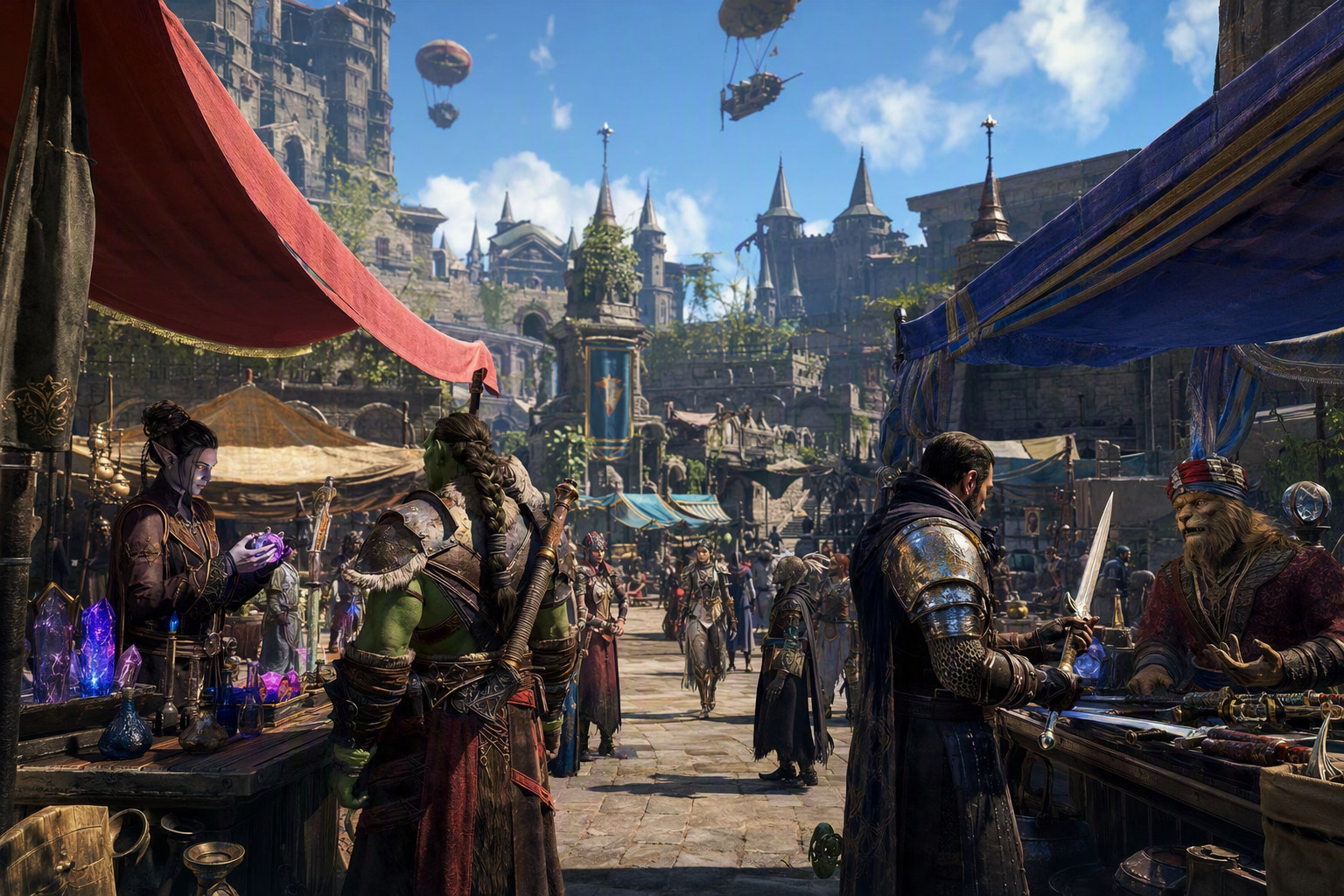
Virtual World Shopping: How the Digital Fashion Economy Works — experience it now in Alife Virtual
Step into Alife Virtual and you step into more than a 3D world. You enter a living marketplace where style has value, creativity becomes currency, and your next great fashion find might come from a designer building late into the night on a private island of their own. If you have ever imagined strolling through dazzling virtual boutiques, discovering limited-edition outfits, trading accessories with friends, or launching a digital brand that people across the world actually wear, this is the experience you have been dreaming about.
The digital fashion economy is not a gimmick. It is a vibrant ecosystem powered by creators, shoppers, event hosts, traders, roleplayers, photographers, and entrepreneurs. In Alife Virtual, this economy feels immediate and personal. You can browse stores, compare designs, attend launch parties, commission custom looks, build your own shopping district, and even learn the business side through free daily classes. Best of all, you do not need expensive hardware to start. Alife works on any desktop, with no VR headset required, making this immersive shopping experience surprisingly accessible.
For anyone curious about how items are priced, sold, traded, and turned into status symbols in a virtual world, Alife Virtual offers the perfect place to explore. It combines the familiarity of the Firestorm Viewer, the creative power of full LSL scripting support, and a welcoming economy-driven community of more than 1,148,000+ members. Whether you want to shop, sell, design, or build an entire digital fashion district, Alife turns possibility into something you can actually log into today.
The Thrill of Virtual World Shopping: What the Experience Feels Like
Imagine arriving in a beautifully designed retail plaza at sunset. Neon signage glows over glass storefronts. Display windows rotate with animated outfits. Music drifts from a rooftop launch event while avatars gather in bold streetwear, couture gowns, fantasy armor, and beachwear styled down to the smallest accessory. You are not scrolling through flat thumbnails on a website. You are moving through a social fashion landscape.
That is the emotional difference in a true 3D shopping world. Virtual shopping in Alife Virtual is part discovery, part performance, and part social ritual. You do not just buy clothes. You see how people wear them. You inspect details up close. You ask where someone got their boots. You teleport to a pop-up market because a friend sent you a landmark. You try a new look, then head straight to a club, beach, business expo, or roleplay city to show it off.
The sounds and atmosphere add to the immersion. Voice and chat conversations make stores feel alive. Event spaces buzz during product drops. Fashion classes, creator meetups, and launch parties turn shopping into a communal event. A new hairstyle or custom outfit can become a conversation starter, a status symbol, or even a professional tool if you are a stylist, blogger, or shop owner.
And beneath all that visual excitement is a functioning digital economy. Every outfit, accessory, building component, scripted vendor, branded shop display, and custom avatar enhancement is part of a marketplace shaped by supply, demand, design quality, rarity, usefulness, branding, and community reputation.
How the Digital Fashion Economy Works in Virtual Worlds
At its core, a virtual fashion economy works because digital goods have social value. People buy items that help them express identity, fit into communities, stand out in crowds, support favorite creators, or upgrade how they look in photos, events, and daily interactions. A digital jacket may not exist physically, but it can absolutely carry prestige, exclusivity, aesthetic appeal, and utility inside a virtual world.
How Items Are Priced
Virtual world items are usually priced based on a combination of factors:
- Design complexity: More detailed clothing, accessories, and avatar enhancements often command higher prices.
- Originality: Distinctive styles and fresh concepts attract shoppers willing to pay more.
- Brand reputation: Established creators can price higher because buyers trust their quality.
- Customization: Items with color packs, resizing options, and mix-and-match features add value.
- Scarcity: Limited-edition releases and event exclusives often create urgency.
- Functionality: Scripted products, animated accessories, and interactive displays are often priced above static goods.
- Presentation: Strong store design, appealing product demos, and polished branding influence buyer confidence.
In Alife Virtual, these same principles thrive. Because creators have access to robust building and scripting tools, plus a social platform where style matters, pricing can reflect craftsmanship as much as market demand.
How Items Are Sold
Digital fashion is typically sold through in-world stores, marketplace systems, shopping events, mall rentals, pop-up booths, themed expos, and direct creator-to-buyer transactions. Sellers use display vendors, demo versions, promotional posters, gifts, launch parties, influencer-style styling, and word-of-mouth promotion.
One of the biggest advantages of in-world selling is emotional context. A dress looks more desirable in a glowing luxury boutique. A cyberpunk jacket feels more exciting when sold inside a futuristic district. In other words, location and atmosphere drive sales just as much as the product itself.
How Items Are Traded
Trading in digital economies can happen formally or informally. Some items are transferable between users. Others are sold under permissions that determine whether they can be copied, modified, or resold. This is where the structure of a virtual economy gets especially interesting. Permissions affect rarity, utility, and price. An item that can be customized but not redistributed has a different market role from one intended for resale or collaborative use.
Buyers and sellers also interact through commissions, custom orders, collaborations, affiliate arrangements, event sponsorships, and creator communities. Fashion in a virtual world is not isolated from business. It is business.
How Alife Virtual Makes This Fashion Economy Possible
Alife Virtual is designed to make immersive creation and commerce easier, more affordable, and more open to newcomers. That matters enormously in a digital fashion economy, where many people want to do more than just shop. They want to build a store, style an avatar, launch a collection, host a runway event, or create a branded shopping region.
Accessible Entry for Shoppers and Creators
Alife works on any desktop, with no VR headset required. That means you can join the marketplace, visit stores, attend fashion events, and manage a digital business without extra hardware costs. If you already know the Firestorm Viewer, you will feel right at home, because Alife uses it too. For users familiar with Second Life-style virtual world navigation, shopping, inventory management, and building, the learning curve is refreshingly low.
Powerful Avatar and Fashion Features
Every fashion economy starts with identity. Alife gives you a FREE full-body mesh avatar with custom outfits, so you can enter the world looking polished and ready to explore. This lowers the barrier for new users and creates a stronger fashion culture immediately. Instead of spending ages trying to look presentable, you can start socializing, shopping, and discovering designers right away.
Tools for Building Shops and Brands
If you want to become a seller, Alife offers exceptional room to grow. You can claim a FREE private island of 65,536 sqm for one month with no monthly fees, a remarkable opportunity for aspiring merchants, fashion brands, and event organizers. On top of that, you get 10,000 prims for building, enough to create boutiques, malls, showrooms, catwalks, vendor walls, photography sets, or full shopping districts.
For those who want to launch quickly, pre-made furnished sims from $20/mo are ready to use immediately. This is ideal if your goal is speed: set up a boutique, place your vendors, decorate your displays, and start welcoming customers without building from scratch.
Scripting and Interactive Commerce
Alife supports full LSL scripting, which is essential for advanced commerce. Scripting can be used for interactive vendors, fitting systems, teleport boards, loyalty mechanics, event registration, shopping games, smart displays, product information systems, and immersive retail experiences. For creators who dream of more than static storefronts, scripting opens the door to highly branded and memorable shopping environments.
Classes and Community Learning
The digital fashion economy rewards people who understand not only style, but presentation, systems, and entrepreneurship. Alife supports this with free daily classes in building, scripting, fashion, and business. That is a huge advantage for anyone who wants to move from admirer to creator. You can learn how to design a better store, brand products more effectively, use scripts to improve customer experience, or simply understand how successful sellers think.
Why Alife Virtual Is Better for This Experience Than Second Life, IMVU, or VRChat
| Platform | Shopping and Fashion Potential | Cost and Accessibility | Creator Advantage |
|---|---|---|---|
| Alife Virtual | Immersive 3D shopping, customizable avatars, strong creator economy, social retail spaces | Works on any desktop, no VR headset required, free region trial, low-cost sim options | 10,000 prims, full LSL scripting, Firestorm Viewer, free classes, free full-body mesh avatar |
| Second Life | Established economy and marketplace | Similar region size can cost $300/month | Strong tools, but much higher cost barrier for land-based retail ambitions |
| IMVU | Avatar-focused shopping with social appeal | Accessible but less immersive in terms of open-world retail exploration | Less spatial depth for building rich shopping environments compared to full virtual world land ownership |
| VRChat | Excellent social presence and real-time interaction | Often best experienced in VR, though desktop is possible | Less structured as a traditional in-world shopping economy with persistent land-based retail culture |
Alife stands out because it combines the open-world market depth of older virtual worlds with a dramatically more inviting cost structure. The comparison that grabs immediate attention is land. Where Second Life charges $300/month for the same region size, Alife gives you a FREE private island for one month. For anyone wanting to build a boutique, designer district, fashion event venue, or shopping village, that difference is enormous.
Compared with IMVU, Alife offers a deeper sense of place. You are not just dressing an avatar in menus; you are inhabiting and shaping a world. Compared with VRChat, Alife is better structured for persistent commerce, land development, and fashion business growth. If your dream is not only to wear digital fashion but to build a digital fashion economy around your creativity, Alife gives you more of the right tools in one place.
Step by Step: How to Experience or Build a Fashion Marketplace in Alife Virtual
1. Create Your Account
Start at https://www.alifevirtual.com and create your account. Once you are in, download and use the Firestorm Viewer. If you have used Second Life before, the interface will feel familiar.
2. Set Up Your Avatar
Claim your free full-body mesh avatar and explore the included custom outfit options. Your appearance matters in fashion-centered spaces, and this gives you an immediate, stylish foundation.
3. Explore Shopping Destinations
Visit malls, boutique districts, social venues, and event regions. Pay attention to how successful stores are laid out. Look at product displays, vendor placement, lighting, signage, and customer flow.
4. Learn the Economy
Attend free daily classes covering fashion, business, building, and scripting. These sessions are perfect for understanding how creators package products, price items, and attract repeat customers.
5. Claim Your Free Island or Choose a Ready-Made Sim
If you are serious about creating your own shopping experience, use the free 65,536 sqm private island for one month. If you want a faster launch, consider a pre-made furnished sim from $20/mo.
6. Build Your Retail Space
Use your 10,000 prims to create a boutique, a mall, a fashion street, or an event venue. Focus on atmosphere. Shopping is emotional. Think about the style of your brand and design the environment around it.
7. Add Interactive Features
Use full LSL scripting support to make your retail area more dynamic. Add scripted vendors, teleport systems, animated signs, runway effects, lucky boards, or interactive product displays.
8. Source or Create Inventory
You can sell your own designs, collaborate with other creators, rent vendor space, host a market, or launch themed shopping events. Curated multi-brand spaces can be just as attractive as original solo stores.
9. Promote Socially
Invite friends, host a grand opening, run styling contests, schedule a fashion show, or partner with DJs and photographers. In a virtual world, the best stores become destinations.
10. Evolve Based on Visitor Behavior
Notice where people linger, what they ask for, and which designs get attention. Successful digital fashion sellers constantly refine pricing, layout, events, and styling trends.
Community Spotlight: What Players Are Building in This Space
One of the most exciting parts of Alife Virtual is seeing how players turn creative opportunity into functioning style-driven communities. Across the platform, residents build not just shops but complete experiences around fashion and commerce.
Some creators use their islands to launch boutique districts with coordinated storefronts, seasonal displays, and themed shopping nights. Others build fashion-forward social hubs where retail, photography, and nightlife merge into one seamless scene.
New designers have used the platform's free tools and classes to begin learning the craft of in-world presentation. Builders experiment with branded interiors, custom fitting rooms, scripted vendors, and runway spaces. Social organizers host styling events that encourage shoppers to discover creators they might otherwise miss. Business-minded residents test small retail ideas on a ready-made sim before expanding into larger experiences.
This is what makes the digital fashion economy so compelling in Alife. It is not only top-down commerce from big brands. It is grassroots creativity. A player with a good eye for design can become a respected stylist. A builder can become a retail architect. A community organizer can turn a quiet region into a shopping hotspot just by curating the right mix of stores and events.
With more than 1,148,000+ members, the audience is there. The tools are there. The land opportunity is there. The community support is there. What happens next depends on how boldly you imagine your place in the marketplace.
FAQ: Virtual World Shopping and Digital Fashion in Alife Virtual
1. Is Alife Virtual really free to start using?
Yes. You can join Alife Virtual for free, use it on any desktop, and begin exploring social spaces and shopping environments without needing a VR headset. New users also benefit from a free full-body mesh avatar with custom outfits.
2. Can I build my own fashion store in Alife Virtual?
Absolutely. You can use the free private island offer for one month, giving you 65,536 sqm and 10,000 prims to build boutiques, malls, showrooms, and event spaces. If you prefer a faster setup, furnished sims are available from $20 per month.
3. Do I need scripting knowledge to run a shop?
No, but it helps if you want more advanced features. Alife offers full LSL scripting support for interactive retail systems, and free daily classes can help you learn the basics of scripting, business, and design.
4. How does Alife compare to Second Life for digital fashion businesses?
Alife offers a similar style of immersive virtual world experience through the Firestorm Viewer, but with a much lower barrier to entry. A region size that costs $300 per month in Second Life is available free for one month in Alife, making it far more accessible for new creators and shop owners.
5. Do I need VR equipment for the full experience?
No. Alife Virtual works on any desktop, so you can shop, explore, build, and run a business without buying a VR headset. That accessibility makes it easier to participate consistently in the fashion economy.
Your Place in the Digital Fashion Economy Starts Here
Virtual world shopping is more than browsing digital clothes. It is self-expression, entrepreneurship, community, and world-building woven together into one vivid experience. In Alife Virtual, you can walk through stylish districts, discover talented creators, build your own retail brand, host unforgettable fashion events, and become part of a marketplace that feels alive every time you log in.
If you have been waiting for a virtual world where fashion is social, business is creative, and building your dream shopping destination does not require a massive budget, this is your moment. Alife gives you the tools: a free full-body mesh avatar, free daily classes, full LSL scripting support, a free private island for one month, 10,000 prims to create with, and a desktop-friendly platform powered by the Firestorm Viewer. It gives you the audience too, with more than 1,148,000+ members already shaping the world around you.
Most importantly, Alife gives you room to imagine bigger. Bigger style. Bigger storefronts. Bigger events. Bigger opportunities.
Ready to explore the digital fashion economy for yourself? Visit https://www.alifevirtual.com and step into a free 3D virtual world where shopping is immersive, creativity has real value, and your next great fashion adventure is waiting.
🎁 Ready to Live This Experience?
Claim your FREE island in Alife Virtual and start today!
Claim Your Free Island Now →No credit card required · Takes 2 minutes · for one month free