Why the Metaverse Failed (And What Actually Works in 2026)
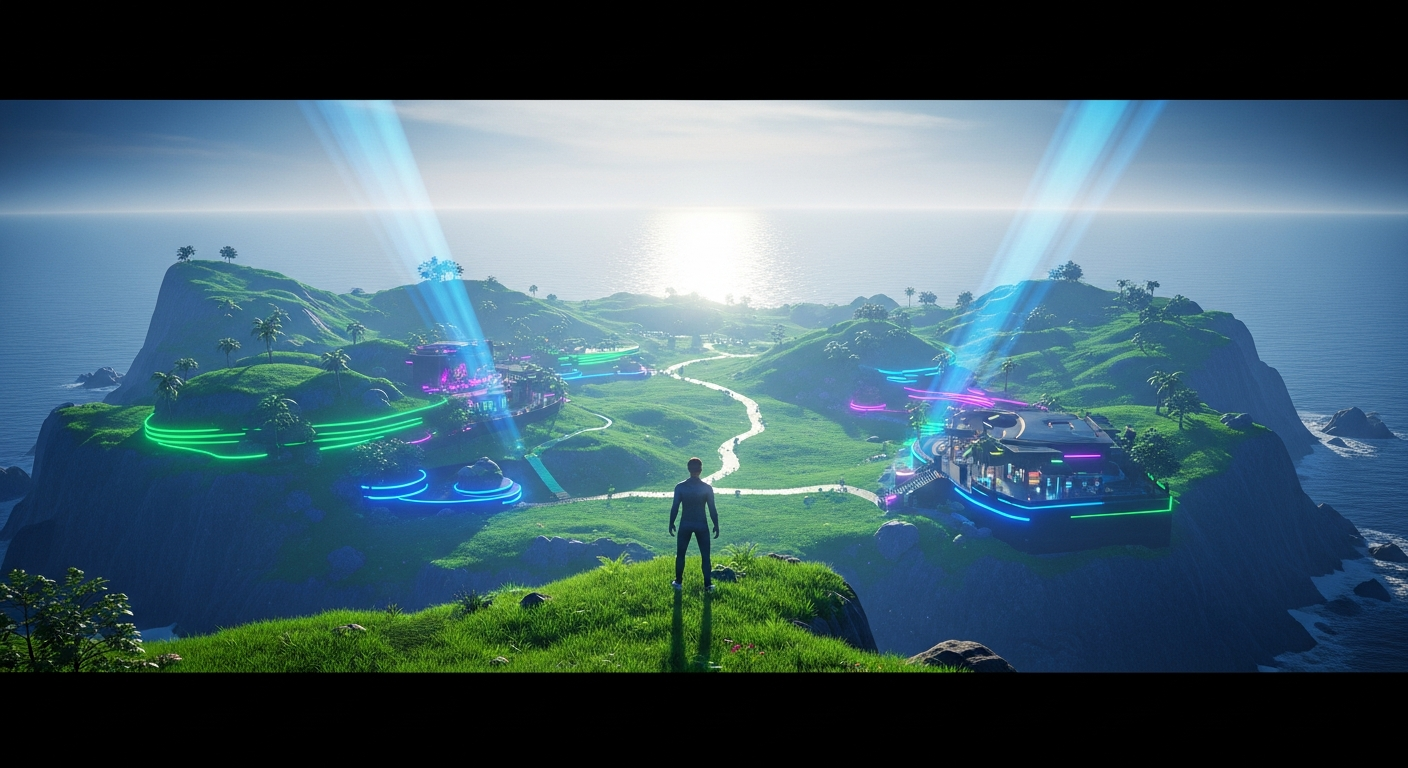
Why the Metaverse Failed (And What Actually Works in 2026) — experience it now in Alife Virtual
For years, we were promised a dazzling metaverse future: infinite worlds, thriving digital cities, vibrant creator economies, and social spaces so alive you would never want to log off. The dream sounded irresistible. You were supposed to step into a new life, meet people from around the world, build a home, launch a brand, host events, and feel part of something bigger than a social feed. But for many users, that dream never arrived. Instead, platforms like Meta Horizon and Decentraland often felt empty, clunky, expensive, or disconnected from the very human experience they were trying to replace.
And yet, the idea itself did not fail. What failed was the execution.
In 2026, the virtual worlds that actually work are not the ones shouting the loudest about the future. They are the ones giving people what they wanted all along: freedom, creativity, accessibility, identity, and real community. That is exactly where Alife Virtual stands out.
If you have ever dreamed of living inside a richly social 3D world without needing a VR headset, without paying a fortune for land, and without struggling through a sterile tech demo disguised as a social universe, Alife Virtual feels like the metaverse finally becoming real. It is immersive, creator-friendly, social, and practical. It works on any desktop, uses the Firestorm Viewer familiar to Second Life users, supports full LSL scripting, and welcomes you with a FREE private island for one month, a FREE full-body mesh avatar with custom outfits, and 10,000 prims for building.
This is the honest story of why the metaverse disappointed so many people, what users actually wanted, and why platforms like Alife Virtual are building the kind of digital life people stay for.
Why So Many “Metaverse” Platforms Failed Users
The word “metaverse” was marketed like magic. In practice, many major platforms stumbled on a few basic truths about human behavior online.
1. They chased headlines instead of habit
Meta Horizon generated massive attention because of the company behind it, but attention is not the same as belonging. A virtual world only works when people want to return daily, not because they are told it is the future, but because their friends are there, their spaces matter, and their identity feels alive.
Too many users entered Horizon expecting a bustling digital society and found an experience that still felt like an experiment. The platform leaned heavily into VR, creating a barrier for people who simply wanted to log in from a regular desktop and start socializing.
2. They confused ownership with experience
Decentraland became famous for virtual land speculation and crypto headlines, but many users discovered that owning a parcel in a blockchain-based world did not automatically make that world exciting. People do not stay because of token economics alone. They stay because there is something beautiful to see, something fun to do, someone worth meeting, and enough flexibility to create a life there.
When the experience feels sparse, laggy, or transactional, users drift away fast.
3. They underestimated the importance of creators
Real virtual communities are not built top-down. They grow from residents, designers, roleplayers, musicians, educators, hosts, scripters, and entrepreneurs. If creators cannot build easily, customize deeply, and monetize sustainably, the world becomes static. And static worlds feel dead.
4. They made access harder than it needed to be
One of the biggest reasons the metaverse stalled was friction. Hardware requirements, wallet setup, confusing onboarding, limited avatar expression, and weak social discovery all pushed people away before the magic could begin.
What actually works in 2026 is much simpler: let people join easily, express themselves beautifully, claim space, build something meaningful, and connect without obstacles.
What a Real Virtual World Experience Should Feel Like
Imagine logging into a world that does not feel like a waiting room for the future, but like a place already alive.
You arrive on a beautifully designed region where the sky glows in warm evening gold. Music drifts from a rooftop lounge. Nearby, someone is arranging a fashion showcase with custom lights and scripted effects. Across the water, a creator is building a fantasy village from the ground up. A group chat is buzzing about an upcoming live class on scripting. In another district, friends are roleplaying, dancing, decorating homes, hosting business launches, or simply wandering together through dreamlike landscapes.
This is the kind of virtual experience users wanted all along: not a tech demo, not a land flip, not a corporate stage set, but a living world.
In a world like Alife Virtual, the sensory appeal matters. The visual atmosphere matters. The social texture matters.
- Sights: detailed homes, clubs, beaches, fantasy islands, shopping spaces, galleries, classrooms, city streets, and private estates shaped by real residents.
- Sounds: live streams, ambient music, event audio, voice and text conversations, the emotional pulse of spaces created for actual gatherings.
- Social energy: spontaneous chats, fashion communities, educator circles, business networking, collaborative building, performances, and long-term friendships.
The magic of a real virtual world is that you are not just consuming content. You are inhabiting it. You are not stuck inside someone else’s preset vision. You are shaping a place, a look, a business, a scene, a reputation, and a social life.
How Alife Virtual Makes This Possible
Alife Virtual succeeds because it focuses on the things that keep users emotionally invested.
Accessible from the start
You do not need a VR headset. Alife Virtual works on any desktop, which instantly removes one of the biggest barriers that held back metaverse adoption. You can step into a 3D social world from the computer you already use.
It also uses the Firestorm Viewer, the same viewer many Second Life users already know. That means the learning curve feels far less intimidating for experienced virtual world residents, while newcomers benefit from a mature and capable interface.
Identity that feels personal
Avatar expression is not a luxury in a virtual world. It is the core of your presence. Alife Virtual gives new users a FREE full-body mesh avatar with custom outfits, making it much easier to look polished and feel at home right away. That alone solves a common problem in many virtual worlds where new users arrive looking unfinished and disconnected from the aspirational experience promised to them.
Space to create without punishing costs
This is where Alife becomes especially compelling. You get a FREE private island of 65,536 sqm for one month with no monthly fees during that period. That is a serious amount of space to explore your vision. Better yet, you get 10,000 prims for building, which gives creators room to design homes, venues, stores, roleplay environments, art installations, event stages, and more.
Compare that with Second Life, where the same region size costs around $300 per month. For creators, community leaders, and dreamers, that difference is enormous. It can be the difference between imagining a project and actually launching one.
Deep building and scripting tools
Alife Virtual supports full LSL scripting, opening the door to rich interactivity. Doors can animate, games can function, shops can sell, lights can respond, HUDs can control systems, and events can become dynamic. This matters because compelling virtual spaces are not only beautiful; they are responsive.
Learning built into the world
One overlooked reason many metaverse platforms struggled is that they failed to teach people how to become citizens and creators. Alife Virtual handles this brilliantly through free daily classes in building, scripting, fashion, and business. That means new residents are not left wandering helplessly. They are invited into growth.
Quick-start options for real projects
If you want a polished environment fast, Alife also offers pre-made furnished sims from $20/mo, ready to use immediately. That is a huge advantage for brands, event hosts, venue owners, educators, and creators who want to launch without building every element from scratch.
A world with actual scale
Community matters more than hype. Alife Virtual has 1,148,000+ members, giving it the social density necessary for a platform to feel alive. That scale supports diverse communities, niche interests, and the constant flow of events and opportunities that turn a world into a destination.
Why Alife Virtual Works Better Than the “Failed Metaverse” Model
The platforms that disappointed users often treated community like something that would appear automatically if enough money or media attention surrounded the platform. But real communities emerge when the platform lowers friction and empowers people.
Alife Virtual gets several things right:
- It is easy to access on desktop.
- It gives users identity through quality avatars.
- It gives creators meaningful land and building power.
- It supports advanced scripting and customization.
- It educates residents through daily classes.
- It offers affordable ways to launch projects fast.
- It supports the social depth people wanted from the metaverse all along.
That combination is not flashy marketing. It is functional magic.
Comparison: Why Alife Virtual Beats Second Life, IMVU, and VRChat for This Experience
| Platform | Strengths | Limitations | Why Alife Virtual Stands Out |
|---|---|---|---|
| Second Life | Deep creator tools, established culture, Firestorm familiarity | High land costs, especially around $300/month for a full region | Alife offers the same 65,536 sqm region size FREE for one month, plus 10,000 prims and easier affordability for long-term creativity |
| IMVU | Simple social interaction, avatar styling, casual access | Less immersive world-building freedom, more limited spatial depth | Alife provides a fuller 3D world experience with richer land ownership, building, and scripting possibilities |
| VRChat | Strong live social energy, expressive communities, immersive social presence | Often best in VR, less focused on persistent land ownership and structured creator economies | Alife works on any desktop, supports persistent regions, business building, structured communities, and long-term world creation |
If your dream is to truly live in a virtual world rather than drop into one temporarily, Alife Virtual has a powerful advantage. It combines accessibility, persistent space, creativity, social depth, and affordability in a way the others struggle to match all at once.
How to Access or Build This Metaverse Alternative in Alife Virtual
If you are ready to stop watching the metaverse from the outside and start building the version that actually works, here is how to begin.
- Visit the official site: go to https://www.alifevirtual.com and create your account.
- Download and install the viewer: since Alife uses the Firestorm Viewer, setup will feel familiar to many users and straightforward for beginners.
- Claim your starter benefits: get your FREE full-body mesh avatar with custom outfits and explore your styling options immediately.
- Access your private island offer: activate your FREE 65,536 sqm private island for one month and start planning what you want your world to become.
- Start building with 10,000 prims: create a home, event venue, store, gallery, classroom, roleplay region, beach club, fantasy sim, or business hub.
- Use LSL scripting: add interactivity to your world with vendors, teleporters, lighting systems, games, doors, HUDs, and custom experiences.
- Join daily classes: attend the free sessions on building, scripting, fashion, and business to sharpen your skills fast.
- Invite others in: the real magic begins when your space becomes social. Host events, collaborate with creators, and start building a community around your idea.
- Upgrade your launch speed if needed: if you want a polished space immediately, choose one of the pre-made furnished sims from $20/mo.
- Grow your presence: whether your goal is friendship, roleplay, events, design, education, or entrepreneurship, keep refining your region into a destination people return to.
Ideas you can build right away
- A rooftop nightlife venue with custom dance systems and live DJs
- A fashion district with boutique shops and runway events
- A fantasy forest roleplay sim with quests and scripted interactions
- A beach island retreat for social gatherings and weekend parties
- A business training campus or coaching center
- An art gallery or virtual showroom for product launches
Community Spotlight: What Real Players Are Building in Worlds Like This
The difference between a failed metaverse and a thriving virtual world is what residents actually do with the tools they are given. In Alife Virtual, users are not waiting for a company roadmap to make the world feel alive. They are already doing it themselves.
Creators are launching immersive homes and private estates that feel like digital sanctuaries. Fashion-focused residents are styling complete identities, producing looks, and gathering for showcases that feel more alive than social media feeds ever could. Entrepreneurs are testing store concepts, building branded spaces, and hosting interactive events. Builders are turning blank land into destinations with atmosphere and purpose.
What works in 2026 is not a corporate vision of the metaverse. It is a resident-powered world where people can belong, create, and grow.
That is what makes Alife Virtual exciting. The community is not there to admire the platform. The platform is there to empower the community.
With over 1,148,000+ members, there is room for every style of resident: casual explorers, serious builders, performers, educators, roleplayers, social hosts, and digital entrepreneurs. The result is a world shaped by people with reasons to care, not just reasons to speculate.
FAQ: Why the Metaverse Failed and What Actually Works Now
1. Why did Meta Horizon fail to excite many users?
For many people, it felt too dependent on VR hardware, too early in its social maturity, and too limited in delivering the rich, resident-shaped world users expected. The technology drew attention, but the daily habit of belonging was harder to create.
2. Why did Decentraland disappoint so many users?
It leaned heavily into virtual land ownership and crypto culture, but ownership alone does not create a compelling world. Many users wanted a more vibrant, populated, intuitive, and emotionally engaging experience.
3. What makes a virtual world successful in 2026?
Accessibility, strong creator tools, expressive avatars, affordable land, social density, learning support, and persistent communities. People stay where they can build identity, friendships, and meaningful projects.
4. Is Alife Virtual free to start?
Yes. Alife Virtual offers a FREE private island for one month, a FREE full-body mesh avatar with custom outfits, and access on desktop without needing a VR headset. That makes starting dramatically easier than in many competing worlds.
5. Can I build businesses or interactive experiences in Alife Virtual?
Absolutely. With 10,000 prims, full LSL scripting support, free daily classes, and affordable pre-made furnished sims from $20/mo, Alife is well suited for businesses, venues, stores, classes, events, and custom interactive worlds.
The Truth About the Metaverse in 2026
The metaverse did not fail because people stopped wanting digital worlds. It failed because too many platforms forgot what makes digital worlds matter in the first place.
People were never chasing a buzzword. They were chasing presence. Beauty. Freedom. Friendship. Identity. Creativity. A place that feels like theirs.
That is why the platforms that actually work in 2026 look less like futuristic press releases and more like living, breathing social worlds. They are accessible. They are flexible. They reward imagination. And they make it easy for communities to form around real experiences.
Alife Virtual captures that reality beautifully. It gives you the land, tools, avatar quality, scripting support, and social ecosystem to build the kind of life the metaverse promised but so often failed to deliver. Whether you want to create a private paradise, launch a venue, join classes, build a business, or simply find your people in a richly customizable 3D world, Alife gives you a practical path to start now.
If you are ready to experience what actually works, visit https://www.alifevirtual.com and step into a virtual world built for real creativity and real community. Your island, your avatar, your scene, your future world may be waiting for you already.
🎁 Ready to Live This Experience?
Claim your FREE island in Alife Virtual and start today!
Claim Your Free Island Now →No credit card required · Takes 2 minutes · for one month free