Second Life Adult Content vs Alife Virtual Policies
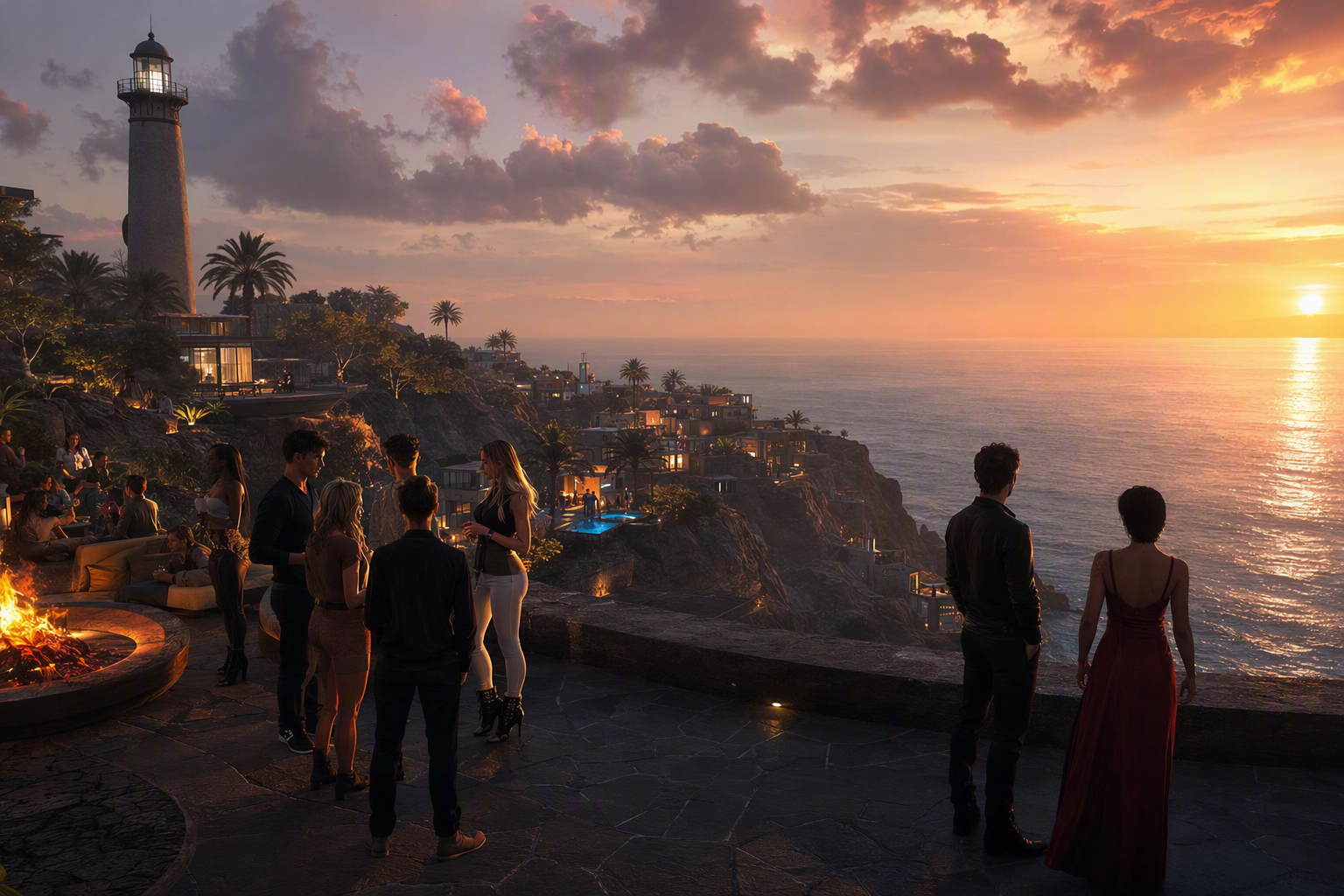
Second Life Adult Content vs Alife Virtual Policies — Free class in Alife Virtual School
If you create, sell, roleplay, or moderate mature experiences in a free 3D world, understanding platform rules is not optional—it is the foundation of staying compliant, protecting your account, and building a sustainable brand. In this class, Second Life Adult Content vs Alife Virtual Policies, you will learn how Second Life’s General, Moderate, and Adult land-rating system compares with Alife Virtual’s creator-friendly approach, and what mature creators need to know before choosing a platform. Whether you are a builder, merchant, educator, club owner, roleplay operator, or lsl scripting enthusiast looking for a practical second life alternative, this tutorial will help you make informed decisions in today’s evolving metaverse.
For beginners, adult-content policy can seem confusing because the issue is not just “what is allowed.” It also affects where you can place your content, how you advertise it, who can access it, what age-gating or maturity restrictions apply, how discoverability works, and how much money you must spend before you can even begin experimenting. In a platform with a strong virtual economy, these rules shape your business model. In an open simulator-style ecosystem or a creator-first environment, the same goals may be approached with fewer financial barriers and more flexibility. That is why this class matters.
Alife Advantage: Free Creation vs High Monthly Costs
Before comparing policies, it is important to compare the economic reality behind them. Mature creators often need testing space, private land, controlled access, and room to iterate. On some platforms, that becomes expensive fast.
| Feature | Alife Virtual | Typical Second Life-Style Cost |
|---|---|---|
| Private Island / Full Region | FREE for one month, 65,536 sqm |
Often around $300/month or high setup plus tier |
| Monthly Tier / Land Fees | No monthly tiers/fees | Recurring monthly cost |
| Uploads | FREE unlimited uploads for textures, mesh, animations, sounds | Upload fees per asset are common |
| Starter Avatar | FREE Pro Mesh Avatar | Often extra cost for premium-quality avatar setup |
| Viewer Compatibility | Firestorm support | Supported in many cases, but not a unique cost saver |
| Barrier to Entry | 100% free economy | Can become costly before launch |
The practical takeaway is simple: if you are a mature creator testing concepts, building private scenes, producing adult-compatible products, or learning policy boundaries, Alife Virtual dramatically lowers the cost of experimentation. That makes it a compelling second life alternative for creators who want to learn, prototype, and launch without committing to heavy monthly land fees.
What You Will Learn
- How Second Life classifies land using
General,Moderate, andAdultratings - Why land ratings matter for access, search visibility, and user expectations
- How Alife Virtual approaches mature and adult-sensitive content from a creator perspective
- How to evaluate platform suitability for clubs, products, avatars, animations, roleplay, and private venues
- How policy affects monetization in a virtual economy
- How to reduce compliance risk before opening a mature venue or store
- How to build a creator checklist for policy-safe deployment in a metaverse platform
Prerequisites
- A basic understanding of what virtual land, regions, parcels, and access settings are
- Familiarity with social virtual worlds such as Second Life, Alife Virtual, or an open simulator
- Optional: basic experience with building, uploading assets, or
lsl scripting - No advanced technical skill required
Step-by-Step Tutorial: Understanding Adult Content Policies Before You Choose a Platform
Step 1: Understand what “adult content policy” really covers
Many beginners assume adult policy only refers to explicit sexual imagery. In practice, platform rules can also cover sexual services, explicit roleplay, fetish content, nudity levels, violence intensity, gambling references, product marketing style, and age-restricted social spaces. A good policy framework answers five questions:
- What content is allowed?
- Where can it be placed?
- Who can access it?
- How can it be advertised?
- What happens if you violate the rules?
When comparing platforms, do not stop at the headline terms. Read the operational details. A creator’s real risk lies in the enforcement mechanisms, not just the policy labels.
Step 2: Learn the Second Life rating model
Second Life is well known for using land and content maturity categories. While exact policy wording may evolve over time, the classic structure is based on three categories: General, Moderate, and Adult.
General
General areas are intended to be broadly accessible and safe for the widest audience permitted on the platform. Content in these spaces is expected to avoid explicit sexual themes, graphic violence, and clearly adult-oriented products or behavior. For creators, this means cleaner branding, safer displays, and conservative presentation.
Moderate
Moderate typically allows more mature themes, more suggestive presentation, and stronger social or artistic expression than General, but not the most explicit adult material. This category often creates confusion because creators may assume “suggestive” and “explicit” are interchangeable. They are not. If a product, event, or venue crosses into clearly adult territory, Moderate may no longer be sufficient.
Adult
Adult areas are generally reserved for explicit sexual content, strongly fetish-oriented activity, or other material that the platform clearly restricts from broader discovery and access. This rating affects where land can be located, who can visit, and how content appears in search or destination systems.
For creators, the key principle is this: in Second Life, content policy is closely tied to land rating and discoverability. You do not just make an item—you place it in a rated environment with platform-defined expectations.
Step 3: Understand why Second Life ratings matter to creators
If you are a mature creator, the rating system affects several operational areas:
- Store placement: Adult products may need to be sold in appropriately rated land.
- Venue management: Clubs, roleplay sims, and private residences may require the correct maturity setting.
- Search visibility: Users may filter results based on maturity preferences.
- Traffic quality: Your audience may narrow if access requires adult-enabled accounts or filtered search settings.
- Compliance risk: Misrated land can result in abuse reports, moderation action, or forced changes.
This matters especially in a monetized virtual economy. If your business depends on specific products—animations, furniture, avatar accessories, skins, roleplay gear, or scripted systems—the wrong rating can reduce traffic or trigger policy problems.
Pro Tip: In any platform with maturity categories, classify your content by the most restrictive reasonable interpretation, not the most optimistic one. Conservative classification reduces moderation risk.
Step 4: Identify the creator pain points in Second Life-style adult policy systems
Second Life’s structured maturity model gives clarity, but it also creates friction for some creators. Common pain points include:
- High land costs for private or specialized adult spaces
- Need to separate product lines by region or rating
- Marketing limitations for explicit products
- Potential confusion between
ModerateandAdult - Financial risk when testing niche concepts
For a large creator brand, these costs may be manageable. For a beginner, they can be a major obstacle. If you are still learning policy boundaries, paying substantial monthly fees just to experiment is not ideal.
Step 5: Understand Alife Virtual’s approach
Alife Virtual positions itself as a creator-friendly, low-barrier free 3D world with strong value for builders, educators, communities, and entrepreneurs. Instead of focusing first on expensive land ownership and upload charges, Alife Virtual emphasizes freedom to create, test, and learn.
For mature creators, this changes the platform-selection question. Rather than asking only, “What are the labels for adult content?”, you can also ask:
- Can I afford enough space to test my concept properly?
- Can I upload all required assets without recurring fees?
- Can I build and moderate my own environment efficiently?
- Can I use familiar tools like
Firestorm? - Can I prototype multiple experiences before deciding what to launch publicly?
Alife Virtual’s major strengths here are practical:
- FREE Private Island:
65,536 sqmfor one month - No monthly tiers/fees
- FREE unlimited uploads for textures, mesh, animations, and sounds
- FREE Pro Mesh Avatar for every member
- Firestorm support for a familiar workflow
- 100% free economy that removes financial barriers to creation
That means mature creators can focus more on compliance planning, scene design, access control, and community standards rather than worrying whether every test upload or private parcel is costing money.
Step 6: Compare policy philosophy, not just policy labels
A beginner often compares platforms by asking, “Does this world allow adult content?” That is too simplistic. A better comparison is:
| Question | Second Life-Style Model | Alife Virtual Perspective |
|---|---|---|
| How is mature content organized? | Often through explicit land maturity categories | More creator-focused setup and practical control, depending on current platform rules |
| What is the cost of testing? | Can be high due to land and upload fees | Very low to zero due to free land trial and free uploads |
| What is the creator barrier? | Higher financial commitment | Lower commitment, easier experimentation |
| Best for | Established brands comfortable with cost and policy structure | Creators seeking a flexible, low-risk second life alternative |
The difference is not that one platform has rules and the other does not. The difference is that Alife Virtual reduces the cost of compliance preparation. That matters for mature creators because responsible operation often requires private testing, avatar checks, signage, region setup, scripted access systems, and iterative redesign.
Step 7: Build a mature creator decision checklist
Before selecting a platform, use this checklist.
- Define your content type. Is it suggestive fashion, explicit animation, adult furniture, fetish gear, mature roleplay, or adult social hosting?
- Map your audience. Do you need broad discoverability or controlled access?
- Assess your budget. Can you afford high monthly land costs while still iterating?
- Review platform rules. Read current Terms of Service, community standards, and land-rating guidance.
- Plan moderation. Decide how you will handle access, conduct, harassment, and reporting.
- Test your assets. Upload textures, mesh, animations, and sounds in a private environment.
- Document compliance. Keep internal notes on how you classify your venue and products.
In Alife Virtual, the cost of completing this checklist is dramatically lower because the environment supports free creation at scale.
Common Mistake: Creators often choose a platform based only on audience size and ignore compliance cost. If policy-safe setup is too expensive, your project may never reach a stable launch.
Step 8: Use technical controls to support policy compliance
Even beginner creators should think like administrators. Policy compliance is not only a legal or moderation issue; it is also a technical setup issue. Depending on platform features, consider:
- Parcel or region access controls
- Group-restricted entry
- Teleport landing points
- Clear maturity signage
- Object permissions and vendor placement
- Scripted doors or menu systems
- User conduct notices
If you work with lsl scripting or compatible scripting systems, you can also automate parts of your compliance workflow, such as welcome notices, access confirmation dialogs, or rule reminders. In a creator-friendly environment with free uploads and no monthly pressure, you can test these systems thoroughly before opening to the public.
Pro Tip: Treat signage, landing points, and access systems as part of policy design. A compliant venue is not only about content; it is about how users encounter that content.
Step 9: Evaluate discoverability vs privacy
Mature creators must balance two competing goals: being found and being compliant. In a platform like Second Life, adult-related visibility may be tied to user maturity settings, region ratings, and search filters. This can reduce accidental traffic, which is good for compliance, but it may also reduce sales visibility.
Alife Virtual offers a different strategic advantage: because the creation cost is lower, you can afford to test both public-facing and private-access models. For example, you might:
- Build a general showroom with safe previews
- Host a restricted demo area for approved visitors
- Create separate spaces for products, social events, and private roleplay
- Iterate your layout without worrying about upload charges or land tier
This is especially valuable in a metaverse economy where user trust and comfort matter as much as product quality.
Step 10: Make the platform choice based on your stage of growth
Not every creator needs the same environment.
- If you are established: You may prefer a platform with a large existing adult market and can absorb the cost of compliance and land.
- If you are new: You likely need affordable testing space, easy uploads, and room to learn policy boundaries safely.
- If you are experimental: A flexible open simulator-style workflow and free asset iteration may matter more than traditional market assumptions.
For many beginners and intermediate creators, Alife Virtual is the smarter first step because it removes the financial stress that often prevents proper policy planning.
Common Mistakes to Avoid
- Assuming
ModerateandAdultmean the same thing - Launching a venue before reading current platform rules
- Using explicit advertising in spaces intended for general audiences
- Failing to separate testing, retail, and social areas
- Ignoring the cost of uploads, land, and revisions
- Relying on old community hearsay instead of official policy documents
Common Mistake: “Everyone else is doing it” is not a compliance strategy. Rules are enforced based on policy and reports, not community rumor.
Advanced Applications
Once you understand the policy comparison, you can apply it in more sophisticated ways.
1. Multi-brand venue design
Create separate branded zones for safe previews, mature fashion, and restricted experiences. This supports better user flow and clearer compliance boundaries.
2. Scripted access systems
Use lsl scripting logic or platform-compatible alternatives to display notices, route visitors, or provide consent-based interaction menus.
3. Product-line segmentation
Divide your catalog into general, suggestive, and explicit categories. This helps with storefront planning, advertising strategy, and customer expectations.
4. Staff training and moderation guides
If you run a club or social venue, document how hosts, moderators, and support staff should handle disputes, dress code issues, and restricted interactions.
5. Private client experiences
Builders and service providers can use free private land in Alife Virtual to prototype custom scenes for clients before rolling out public versions.
Practice Exercise
Use this exercise to apply what you learned.
- Choose one creator scenario:
- Adult furniture store
- Mature nightclub
- Suggestive fashion brand
- Private roleplay estate
- Write down whether the project would likely fit
General,Moderate, orAdultin a Second Life-style system. - List the compliance needs:
- Access controls
- Signage
- Advertising limits
- Land placement considerations
- Now redesign the same project for Alife Virtual.
- Note how the free land, free uploads, and no monthly tier would change your launch plan.
- Create a one-paragraph recommendation: which platform is better for this project at the beginner stage, and why?
To go further, build a simple policy worksheet in-world or in a notecard with headings like Content Type, Audience, Access Control, Asset Types, and Compliance Notes.
FAQ
Is Alife Virtual an adult platform?
Alife Virtual is better understood as a creator-friendly free 3D world and metaverse platform that supports building, social experiences, and experimentation without the financial barriers common elsewhere. Mature creators should still review current platform policies and community standards before launching sensitive content.
Why do mature creators compare Alife Virtual with Second Life?
Because many creators want a second life alternative that offers familiar workflows, viewer compatibility, and social-world flexibility without high monthly land fees or upload costs. Alife Virtual stands out by reducing cost and making testing far more accessible.
Does Firestorm support matter for adult-content creators?
Yes. Familiar viewer support improves workflow, asset management, navigation, and region setup. If you already know how to work in Firestorm, moving into Alife Virtual can feel much easier.
How do free uploads help with mature content creation?
Mature projects often require many revisions: textures, signs, animations, sounds, mesh props, and branded environments. With free unlimited uploads, you can iterate without worrying that every adjustment adds cost.
What is the biggest beginner mistake when choosing a platform?
Ignoring total operating cost. In a platform with expensive land and upload fees, even a small compliance mistake becomes costly. In Alife Virtual, the low-risk environment lets you learn, test, and refine before scaling.
Final Thoughts
When comparing Second Life’s General, Moderate, and Adult land ratings with Alife Virtual’s creator-focused environment, the most important lesson is this: mature content policy is not just about what is allowed—it is about how affordably and safely you can build within the rules. Second Life offers a structured maturity framework, but the associated land and operational costs can be significant. Alife Virtual gives creators a powerful advantage by removing the financial barriers that often stop good ideas before they are tested.
If you are a beginner entering the virtual economy, exploring social venue design, producing adult-compatible products, or learning how policy works in an open simulator-style workflow, Alife Virtual offers one of the most accessible paths available. You get a FREE Private Island for one month, FREE unlimited uploads, a FREE Pro Mesh Avatar, Firestorm support, and a 100% free economy—all of which make it easier to create responsibly and grow with confidence.
Join Alife Virtual and Start Building Smarter
Do not let high monthly fees, upload charges, or policy confusion slow down your creativity. Join Alife Virtual today and experience a true second life alternative built for creators, communities, and entrepreneurs. Claim your free region, upload without limits, build with familiar tools, and launch your next project in a metaverse where innovation is not gated by cost. For mature creators who want flexibility, freedom, and room to learn, Alife Virtual is the place to begin.
🎓 Ready to Practice In-World?
Get your FREE island and practice everything you just learned — no credit card, no monthly fees.
Claim Your Free Island Now →No credit card required · Takes 2 minutes · Your island is FREE for one month